Crop Protection
UC Davis investigates causes and management considering increasing rates of walnut mold.
Plant foraging birds that flock at cattle feedlots or bird feeders are more of a danger than insect-eating birds.
Farm interests have cause for concern as controversial water regulation revived by Biden administration.
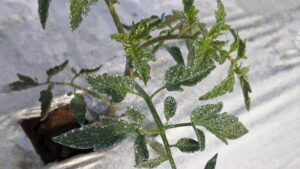
Scientists employ a combination of biopesticides and predatory mites to effectively thwart chilli thrips from carrying away your crop.
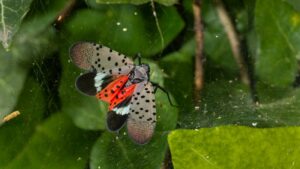
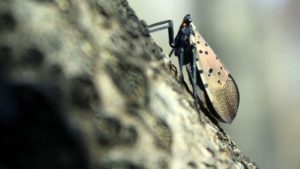
New York State officials pull no punches against the dreaded plant hoppers.
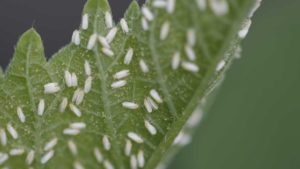
The whitefly-vectored viral disease can spread quickly across fields.
Global pandemic-driven supply chain disruptions force some to pivot from chemicals to biological and/or mechanical measures.
Learn how to identify, the survival and spread, as well as management methods for this food crop pest.
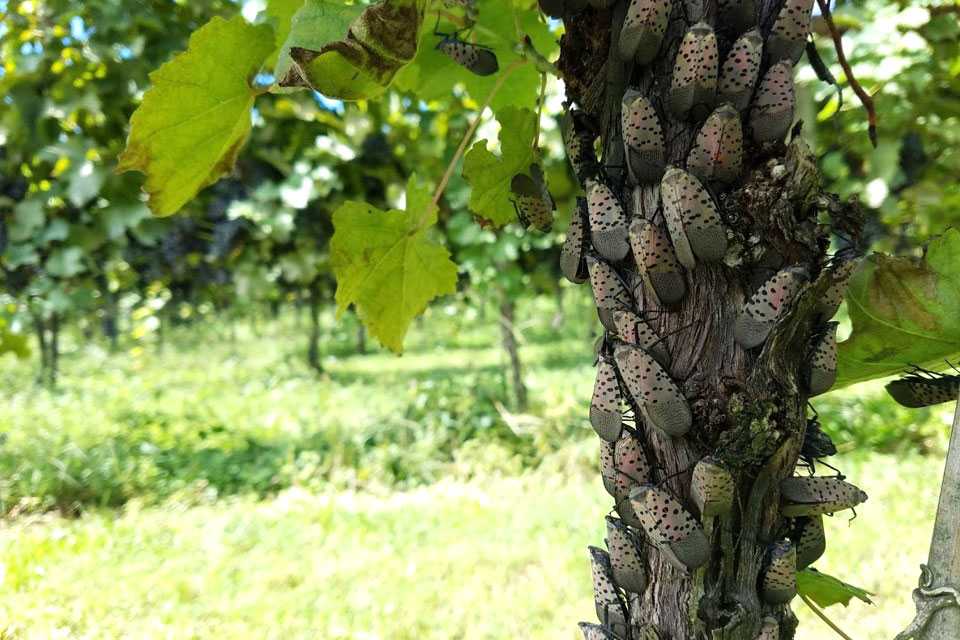
Invasive pest with a voracious appetite continues its spread toward susceptible wine country.
This is a tough pest to manage. But there are steps you can take to protect your assets in the field.
Biopesticide company adds to its team by hiring Nick Vandervort as Midwestern Field Development Manager.
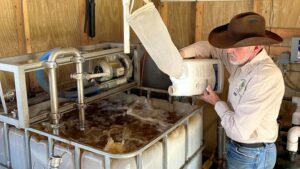
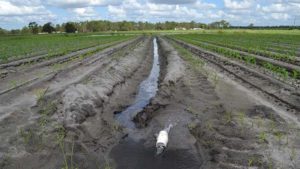
Tri-County Agricultural Area operation saving thousands of gallons of water daily. Learn how they do it.
See how worldwide agricultural trends fared over the past 20 years in the FAO’s most recent publication.
For commercial growers, now’s the time to check for infestation.
In recent years, growers in Florida and neighboring states have reported an increase in stink bug-related problems in tomato and other crops.
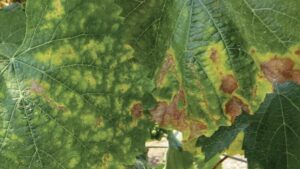
Lack of water poses a threat to growers’ crops – and pathogens. Find out why.
Multiagency effort is underway to contain insect pest known to target more than 250 types of fruits and vegetables.
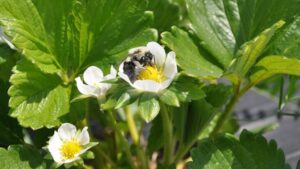
The parasitoid wasp, a natural enemy of the berry-eating fly, was found last month in Washington near the Canadian border.
Inversion unveiled as attaching a 30-foot mast to a weather station helps define ideal spray time.