Florida Newsletter
In this latest episode, Rick Dantzler of the Citrus Research and Development Foundation addresses the billion-dollar question: Will we defeat HLB?
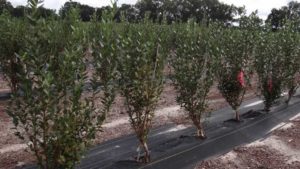
Learn how an upgrade to UF/IFAS’ Blueberry Growers Guide clues in growers on quality cultivar choices.
Many do not yet realize the potential scope of the issue, including the availability of produce and other specialty crops to consumers.
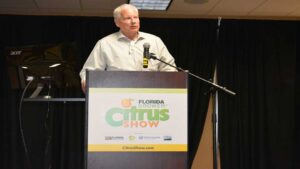
See how the first large in-person event since COVID-19 was a successful reunion for local growers, researchers, and stakeholders.
Florida Grower Editor Frank Giles says the benefits of eating all kinds of fruits and veggies far outweigh the influence cast by infamous shopper’s guide.
Check out a couple handy machines from Deere and Kubota.
After a decade of data collection, NOAA releases updated report on the latest patterns of heat and precipitation.
TomaTech is currently filing a provisional patent that will help accelerate its breeding process of tomatoes that are resistant to deadly virus.
Tune in for the kickoff of Florida Grower’s new ‘We Believe in Florida Citrus’ podcast series. This episode centers around new life for the ‘US Superna.’

Unusually wet April benefits water levels across much of the Sunshine State.
Recent research focuses on using fewer chemicals and adopting natural, low-cost alternatives for better plant and fruit quality.
Learn how to identify, the survival and spread, as well as management methods for this malady of snap beans.
Plans are in the works to host an in-person event in Ft. Pierce. Find out the details.
The mad dash to pandemic recovery means all industries are competing for the same packing and shipping supplies and channels.
The alternative crop continues to spark interest among growers. See what’s in the works for year two.
In this sneak peek into 2021 State of the Vegetable Industry survey results, we take a look at how important this category is to the sector.
New app could lead to more accurate and earlier detection of dreaded crop pest.
With methyl bromide long gone, researchers and growers have found effective ways to fight off the pests it controlled.
Most specialty ag lenders require at least 20% of the next season’s anticipated operating expenses.