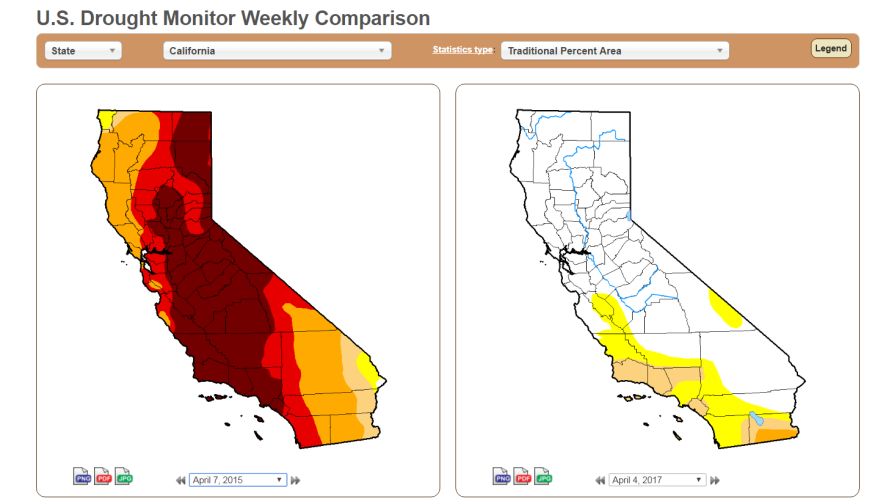
How California’s No-Drought Status Affects Growers Posted by Carol Miller|April 12, 2017 Find out which previous orders are rescinded as a result of the drought being declared over — and which ones are not.Read More
Fall Creek Nursery Solidifies Business Growth With New Raspberry Deal Posted by Growing Produce Staff|October 2, 2026
An Organic Showcase Debuts at the 2017 United FreshMKT Expo Posted by Carol Miller|April 12, 2017 The Expo will feature more than 40 “innovative organic products.”
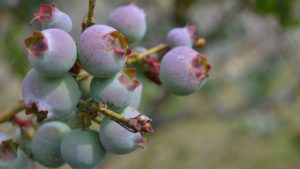
North Carolina Blueberry Crop Still Kicking By Christina Herrick|April 10, 2017 Thanks to pruning cuts and a diverse mix of cultivars, the majority of the crop survived a series of March freezes.
BASF Licenses CRISPR-Cas9 Technology for Agriculture Use Posted by Christina Herrick|April 10, 2017 Genome-editing from Broad Institute has potential to be a more precise tool to improve ag products.
Mild or Wild? Here Is Your 2017 Atlantic Hurricane Season Outlook By Paul Rusnak|April 6, 2017 Possible return of El Niño climate phase could sap strength out of any stormy scenarios.
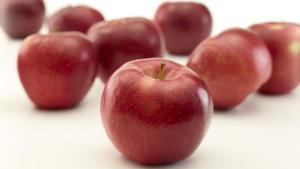
‘Envy’ Top Variety in USApple Tournament Posted by Christina Herrick|April 6, 2017 The ‘Royal Gala’ and ‘Braeburn’ cross is a slam-dunk winner in Apple Madness bracket tournament.
Study Shows Bumblebees Can Boost Blueberry Yield Big Time Posted by Paul Rusnak|April 6, 2017 UF/IFAS researchers find placing hives of the distinct pollinator in the field pumps up output by 70%.
Chlorpyrifos’ Ban Reversed: Researchers React Posted by Carol Miller|April 5, 2017 Last week, EPA declined to ban the pesticide, which had been recommended for removal during the Obama administration.
What’s New in Tractors for Vegetable Growers? Posted by Carol Miller|April 4, 2017 Take a look at these new models and retrofit opitons ideal for specialty crop growing.
Jim Allen, Matt Wells Join New York Apple Sales Posted by Christina Herrick|April 3, 2017 Allen named Vice President of Marketing and Wells named Director of Field Service.
FMC to Acquire Portion of DuPont Crop Protection Portfolio Posted by Christina Herrick|March 31, 2017 Deal makes FMC the fifth largest agriculture chemical company, valued at $3.8 billion annually.
Latest Snowpack Report is Welcomed News for California Farmers Posted by Christina Herrick|March 31, 2017 March reading shows 164% of historical average.
Fresh From Florida Marketing Threatened by Major Budget Cuts Posted by Frank Giles|March 31, 2017 House Ag Committee proposal would gut the successful program.
New Horticultural Technology Tools at Your Fingertips [Opinion] By Richard Jones|March 30, 2017 The new technology of fruit growing may not be what we expected. In fact, it’s likely more than we imagined.
Chateau Herbicide SW Now Registered for Use in Citrus, Caneberries Posted by Christina Herrick|March 30, 2017 Broad spectrum preemergent herbicide to control broadleaf and grasses.
EPA Denies Order to Ban Pesticide Posted by Christina Herrick|March 30, 2017 Chlorpyrifos is an organophosphate insecticide that controls foliage and soilborne pests.
Water Allocations in California Deemed Unfair Posted by Carol Miller|March 29, 2017 Tom Nassif of Western Growers objects to a recent announcement that some in California’s Central Valley received only a 65% initial water allocation, while other growers in the region received 100%.
Yara Recently Opens West Sacramento Facility Posted by Christina Herrick|March 29, 2017 Terminal to help boost the company’s importing of urea.
Plum Varieties are Complex and Fascinating [Slideshow] By Bill Shane|March 29, 2017 While diversity in species gives the consumer many options, plums can be a challenge for growers and marketers.
Understanding the Economics Of Red Blotch in Grapes By Christina Herrick|March 28, 2017 An economist and a plant pathologist team up to help growers understand the threshold for action when a vine is diagnosed with the virus.














![New Horticultural Technology Tools at Your Fingertips [Opinion]](https://s3.amazonaws.com/files.growingproduce.com/growingproduce/wp-content/uploads/2017/03/wafler-300x169.jpg)




![Plum Varieties are Complex and Fascinating [Slideshow]](https://s3.amazonaws.com/files.growingproduce.com/growingproduce/wp-content/uploads/2017/03/castelton-plum-300x169.jpg)