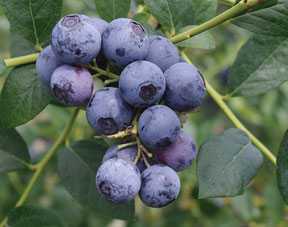
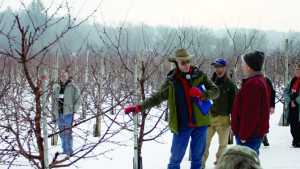
Mississippi State University Hosts Blueberry Workshop Posted by Christina Herrick|January 27, 2014 Feb. 13 event offers presentations on SWD, post-harvest handling, and machine harvest efficiency. Read More
Why Development of Nation’s First Tomato Spotted Wilt Virus Clone Is a Big Deal By AgriLife Today|October 8, 2026
Business Management Sessions Highlight Of OPGMA By Christina Herrick|January 27, 2014 Sessions at Ohio Produce Growers And Marketers annual conference concentrated on marketing and future trends in produce industry.
Cornell To Offer One-Day Tree Fruit Educational Session Posted by Christina Herrick|January 27, 2014 March event held prior to start of international symposium and to offer presentations from six retiring scientists.
Get Up-To-The-Minute Coverage Of Unified Wine & Grape Symposium Posted by Christina Herrick|January 26, 2014 Western Fruit Grower editor will be tweeting this week from the Unified Wine & Grape Symposium.
E.W. Brandt & Sons Rebrands As RemBrandt Masterpiece Fruit Posted by David Eddy|January 24, 2014 Washington company’s increasing demand drives investments in packing facilities and marketing.
Washington Wine Industry Foundation Board Elects Officers And Board Members Posted by Christina Herrick|January 24, 2014 Roger Gamache of Gamache Vinters elected as chairman of the board.
Farm Credit East Donates $7,500 To Viticulture Center Posted by Christina Herrick|January 24, 2014 New facility will provide educational opportunities at Finger Lakes Community College.
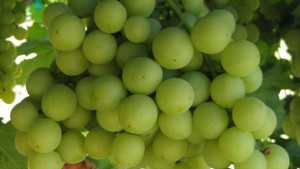
Vintage Nurseries Now Offering Valley Pearl Variety Table Grape Posted by Brian Sparks|January 24, 2014 The California Table Grape Commission has licensed Vintage Nurseries as one of three nurseries to carry the new Valley Pearl variety table grape.
Opinion: Florida Farmers Rise Above Water Worries By Paul Rusnak|January 22, 2014 The pressure is on for growers to stem the rising tide of regulations and public misunderstanding.
First-Of-Its-Kind Online Organic Materials Search To Debut Posted by David Eddy|January 21, 2014 California Certified Organic Farmers says innovation makes certification easier and faster.
Valent U.S.A. Adds New Crops To California Labels By David Eddy|January 20, 2014 Company updates Golden State pest control advisers on additional uses for 2014.
Florida Goes Back To The Well To Protect Water By Frank Giles|January 20, 2014 Lake Okeechobee’s troubles return the spotlight on the Sunshine State’s precarious relationship with a precious resource.
California Grape & Tree Fruit Association’s Top 10 Issues In 2014 Posted by David Eddy|January 20, 2014 Immigration reform and labor surprisingly top water supply.
NYAA President Urges Congress To Renew Federal Trade Promotion Authority Posted by Christina Herrick|January 17, 2014 Jim Allen says that removing trade barriers are important to apple industry.
Growers Have A New App For Identifying Beneficial Insects Posted by Christina Herrick|January 17, 2014 Good Bugs + now available at Apple App Store.
California Governor Declares Drought State Of Emergency Posted by David Eddy|January 17, 2014 Governor Brown calls for conservation statewide, directs state to manage water for drought.
Washington Apple Industry Scholarships Available Posted by David Eddy|January 15, 2014 Foundation to award approximately $700,000 in tree fruit industry scholarships in 2014.
Industry Organizations To Host Joint Wine And Grape Event Posted by Christina Herrick|January 15, 2014 New York Wine Industry Workshop and Finger Lakes Grape Grower Conference events combine to form B.E.V. NY.
IFTA Annual Conference Heads To Canada Posted by Christina Herrick|January 15, 2014 This year’s conference will take place in Kelowna, British Columbia; scholarships are available for young growers to attend.
California Ag Leadership Program Seeks Applicants Posted by David Eddy|January 15, 2014 Growers and individuals working in allied businesses are encouraged to apply.