Fruits
State and local leaders tour farms and assess damage as unseasonable weather significantly impacts produce growers across multiple regions.
Two fruit-growing operations (one blueberry and one citrus) among those honored for setting the standard on superior stewardship.
Managing weeds without herbicides is a challenge. Learn how Burroughs Family Orchards in California is succeeding in its approach.
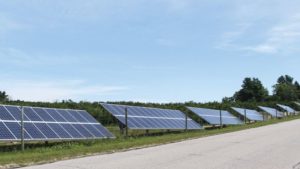
Growers are integrating renewable energy sources with traditional planting practices to maximize the use of space and even improve crop growth.
As growers look for ways to make their crops resilient to climate shifts and other abiotic stressors, one valuable tool available to them is biostimulants.
Learn how the Sentinel Vineyard Communication Network connects Virginia growers virtually.
Previous studies showed the non-hallucinogenic compound from cannabis limited growth of some bacteria and pathogenic fungi that cause rot.
First of a series of learning opportunities launches to address potentially massive impact on the state’s specialty crops.
Many in the PNW are watching water closely amid a rapidly changing environment.
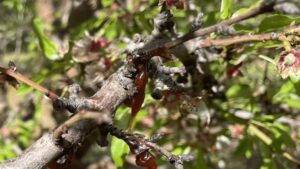
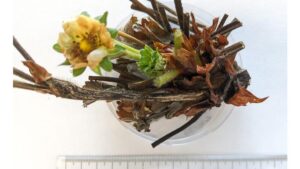
Researchers say rare plant disease outbreak of Phytophthora syringae similar to El Niño-influenced events during the 1990s.
Data coming in from experimental citrus blocks promising and set to advance.
Why might fumigated strawberry fields still be susceptible to the disease? The answer could be blowing in the wind.
Thanks in large part to recent wild weather impacts, report from USDA NASS indicates yield per acre could be the lowest in nearly 20 years.
Survey from Organic Trade Association shows growth pace doubled from previous year.
With atmospheric rivers dampening once-parched California, the window shrinks for growers to fertigate.
USDA’s 2023 goal of combating climate change to support farmers is in full swing.
Popular variety’s successor, ‘MAIA-Mitchell’, has all the pluses – but makes its appearance eight weeks earlier in “chili-red” color.
The emerald ash borer has been a bane to trees in the East and Midwest for many years. Folks out west now are warned to watch for this destructive insect.

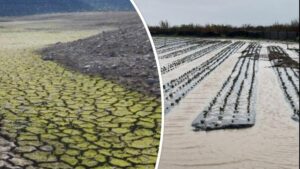
Last fall, farmers in the Golden State were facing a serious drought, but those days are long gone.