Protected Agriculture
To help you decide, let’s talk about the similarities and difference between these structures.
Protected ag structures can shield peaches and nectarines from harmful environmental conditions. Scientists are adding up what that means for profitability.
USDA’s Natural Resource Conservation Service offers financial and technical assistance for growers interested in adding protected agriculture to their operation.
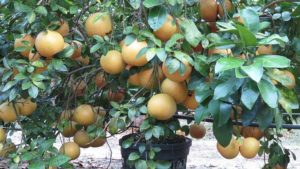
Ongoing studies show production under protective screen maximizes yield of this citrus selection while keeping out pests.
Central Florida-based growing operation Misty Organics is countering competition by filling a niche demand.
Donation given to University of California, Riverside will fund 2.8-acre screened structure designed to help safeguard trees against greening threat.
The top two reasons for growing under cover? To extend the growing season (71.5%) and to grow transplants for the operation (66.2%).
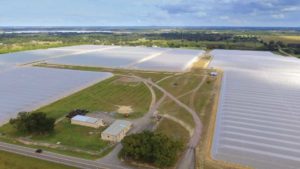
Dundee Citrus Growers Association develops largest citrus under protective screen planting in the U.S.
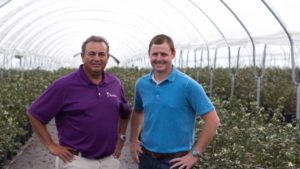
Tye Thompson uses his small growing operation to test cutting-edge techniques with real-world results.
Want to expand your growing operation’s offerings? You might need to look up, or even down for solutions.
Learn the basics of hydroponics, and you’ll avoid costly errors.
With increased costs, razor-thin margins, and increased competition, nobody can afford to do things the way they’ve always been done for the sake of tradition or just plain being obstinate.
New partnership will combine field- and greenhouse-growing expertise, allowing consumers year-round access to premium product.
Organics are hot. Consumer demand and continued market growth are creating more opportunities for farmers.
Fast food giant makes major commitment to fresh produce grown exclusively indoors.
USDA’s ruling that hydroponic produce is eligible for organic labeling roiled the industry. One of the largest hydroponic growers in the U.S., however, is largely unfazed.
Sixty percent of vegetable growers use protected agriculture. Here are a few more stats you’ll want to know.
Those who’ve only grown in fields face the unknown when it comes to growing under cover. Luckily, there are excellent programs around the country designed for growers.

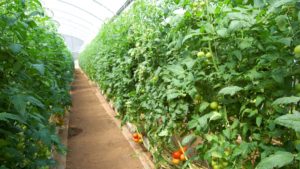
Conditions seemed to be perfect. So why were these vegetables dying?