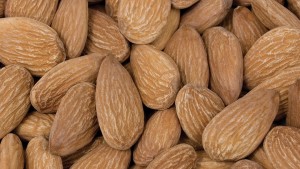
State’s 6,800 growers had an estimated 1.4 million acres of almonds – both bearing and nonbearing – in 2018.
FDA announces common-sense decision to exercise discretion on enforcement of Produce Safety Rule on crops that may have a reduced presence of foodborne pathogens.
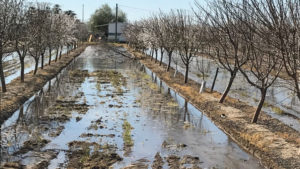
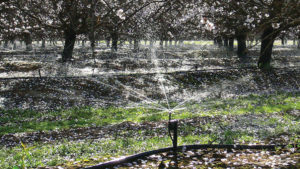
No grower wants to leave trees parched but starting too early in the season can lead to both root and crown diseases.
Forecast estimated at 2.45 billion pounds for the 2018 California almond crop.
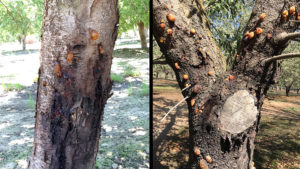
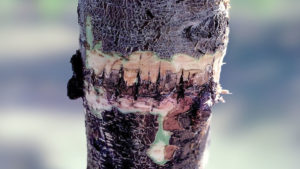
Ceratocystis canker caused by the fungal pathogen Ceratocystis fimbriata is one disease among a complex of fungal canker diseases that infect almond trees. Early detection is key.
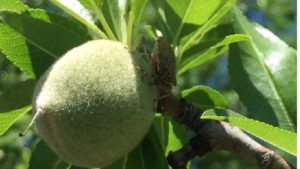
BMSB has been causing more damage in a fashion that should concern the state’s growers.
Keep your eyes peeled for band canker, which appears to becoming more of a threat, especially in the fourth through sixth leaf.
Isolated reports of problems from freezing temperatures during bloom don’t appear to have a huge impact on overall yields.
Of course nuts need water — but a new research report says: Almond growers aren’t water wasters.
A little high-tech help can go a long way in mitigating weather-related risks.
Overall, total almond acreage for 2017 was 1.33 million acres, up 7% from the previous year.
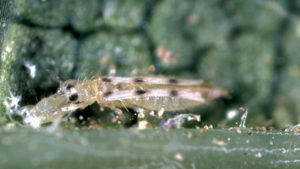
Now that six-spotted thrips are no longer routinely eliminated by “hard” chemicals, they’re dispatching pesky spider mites.
Wrongly maligned as water-wasters, almond growers can now avail themselves of new technology that warns of crop stress before it’s visible to the naked eye.
California industry association announces the 2018 election results for both growers and handlers.
Visitor says they were contracted by the U.S. Department of Labor to quiz workers.
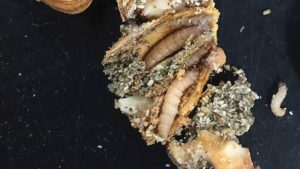
Bacillus thuringiensis products are not new, but there are new reasons for using them.
Almond Alliance of California President Kelly Covello: Without Market Access Program money, the world-dominant industry “might not have entered China, which is now our third largest export market.”

Growers would be better off adding blue orchard bees (BOBs), reducing their heavy dependence on honeybees that have to be brought into California each year.
Bearing acreage officially hits the million mark, though per-acre yields are off from 2016.