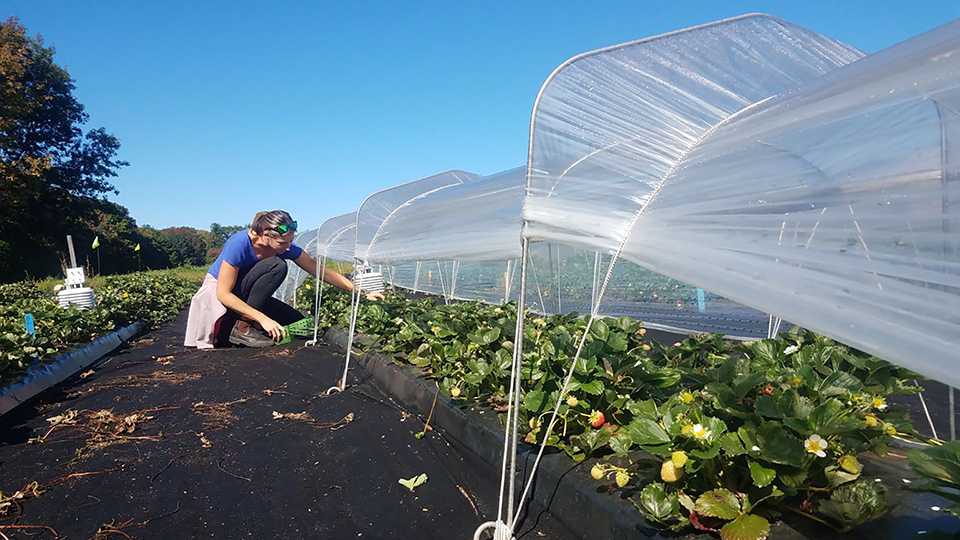
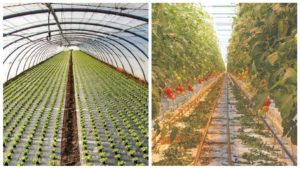
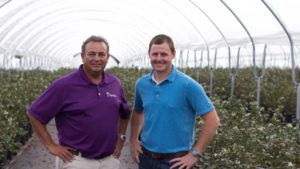
A University of New Hampshire study shows day-neutral varieties can extend the growing season by several months and double growers’ yields. See how.
Kentucky-based AppHarvest has yet to produce a crop, but is already building up its funding.
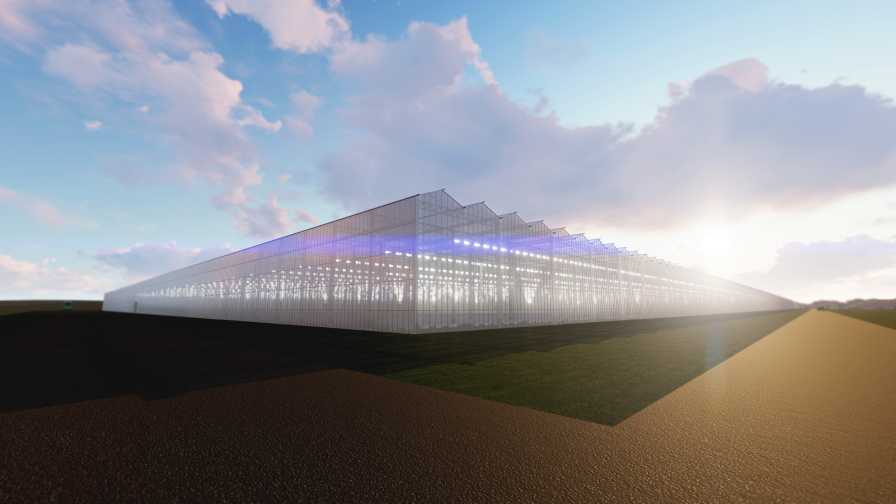
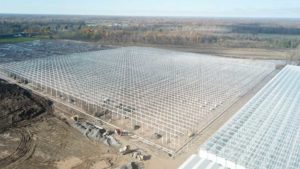
The 64-acre (2.78 million square-foot-plus) single greenhouse will be the largest in the U.S. Find out who’s behind the project.
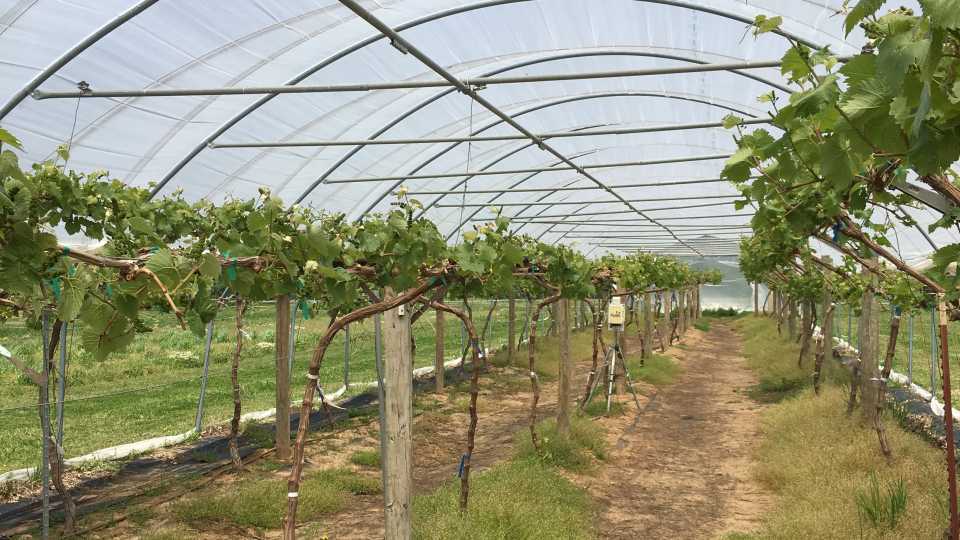
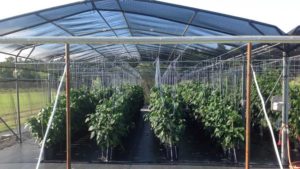
Open-shade structure can keep fruit plentiful for Florida farmers well into the fall and beyond.
Learn more about a partnership between Cultiva and Taylor Farms that aims to deliver consistent, quality product out of North Florida facility.
Ag tech that grows produce hands-free from half way around the world has come to fruition, and it’s an international award-winner.
To help you decide, let’s talk about the similarities and difference between these structures.
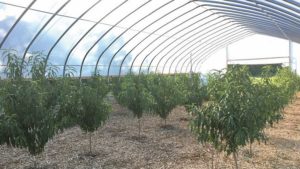
Protected ag structures can shield peaches and nectarines from harmful environmental conditions. Scientists are adding up what that means for profitability.
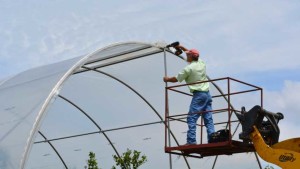
USDA’s Natural Resource Conservation Service offers financial and technical assistance for growers interested in adding protected agriculture to their operation.

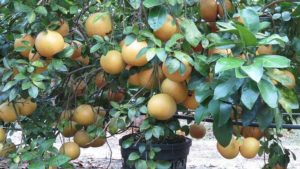
Ongoing studies show production under protective screen maximizes yield of this citrus selection while keeping out pests.
Central Florida-based growing operation Misty Organics is countering competition by filling a niche demand.
Donation given to University of California, Riverside will fund 2.8-acre screened structure designed to help safeguard trees against greening threat.
The top two reasons for growing under cover? To extend the growing season (71.5%) and to grow transplants for the operation (66.2%).
Dundee Citrus Growers Association develops largest citrus under protective screen planting in the U.S.
Learn the basics of hydroponics, and you’ll avoid costly errors.
With increased costs, razor-thin margins, and increased competition, nobody can afford to do things the way they’ve always been done for the sake of tradition or just plain being obstinate.
New partnership will combine field- and greenhouse-growing expertise, allowing consumers year-round access to premium product.
Organics are hot. Consumer demand and continued market growth are creating more opportunities for farmers.
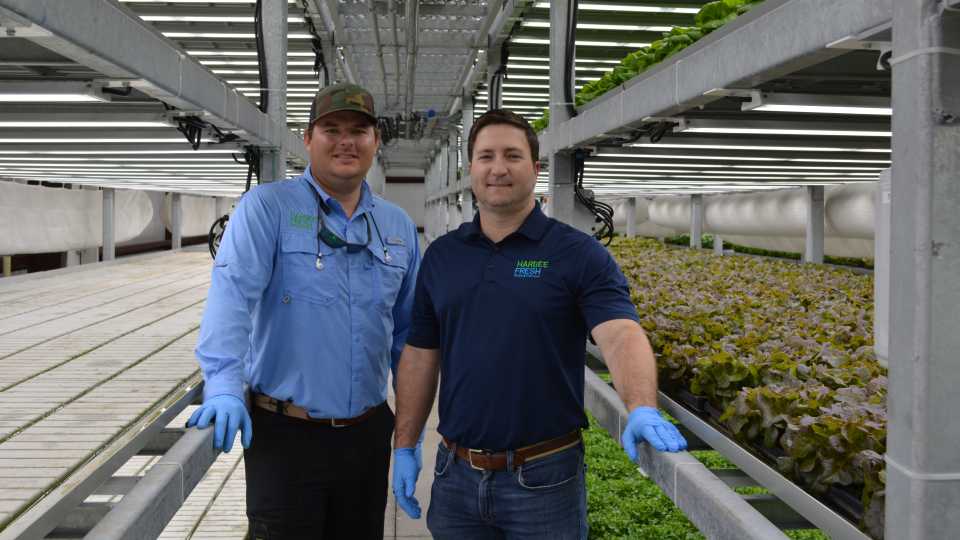
Fast food giant makes major commitment to fresh produce grown exclusively indoors.