With a potentially record-breaking El Niño in progress, western growers have about 30 days to do all the work they regularly pace out over three months.
Keeping farm crews safe doesn’t require a complicated playbook. Follow best practices that form the foundation for a strong heat illness prevention program.
Preparing now for winter storms with cover crops can help growers reduce runoff and soil erosion. Consider sudangrass for the job.
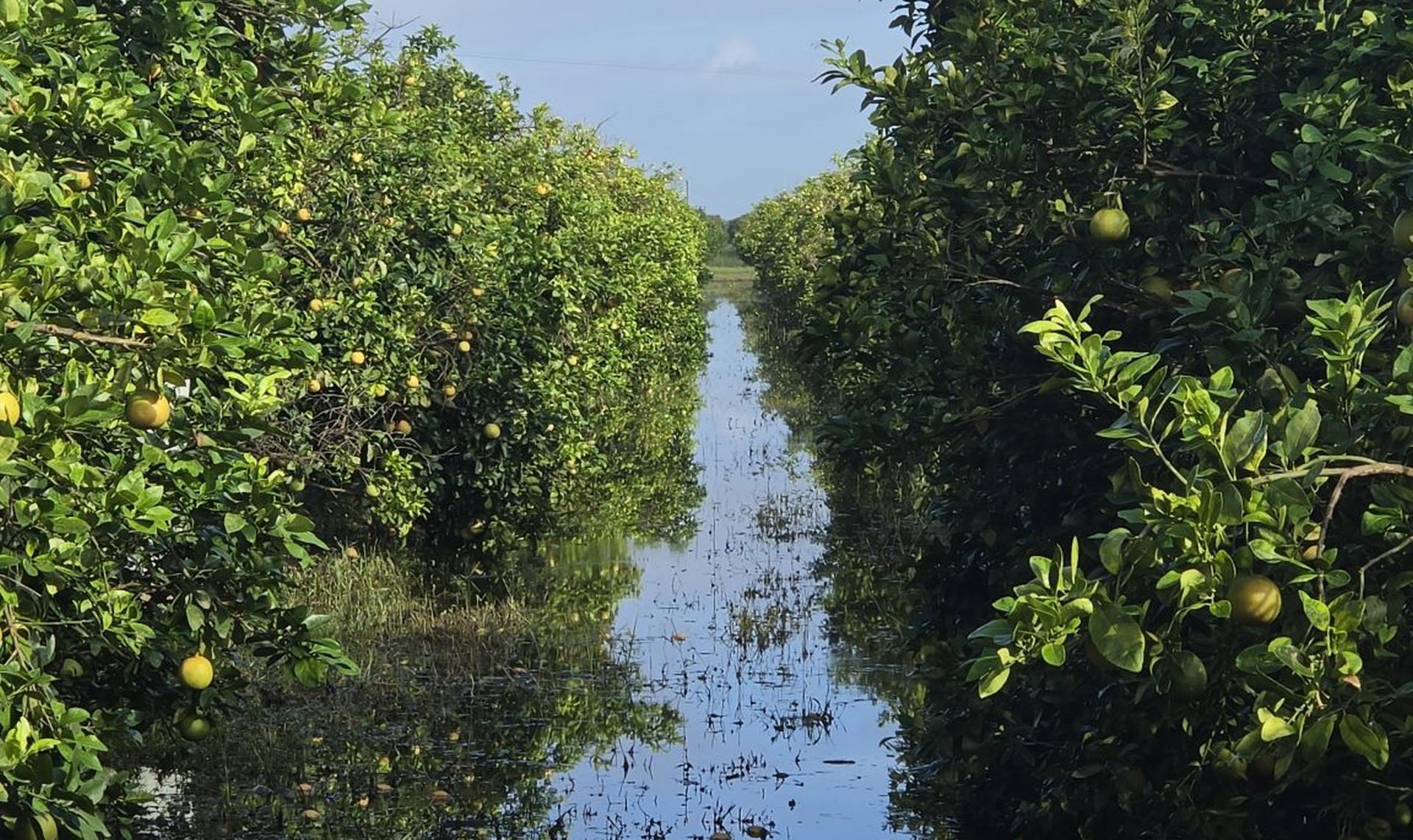
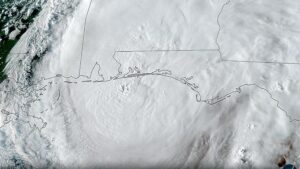
Check out a photo gallery of images captured at several farm operations around Florida’s Panhandle following Hurricane Isaias.
Amid a historically quiet Atlantic hurricane season, Isaias spins up damages for some Florida farmers and ranchers.
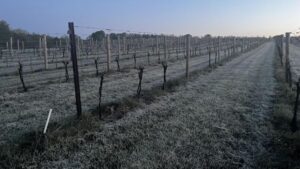
An untimely Virginia freeze highlights the challenges of a changing growing season, and the importance of being ready for what comes next.
Record heat is a trend. El Niño is a cycle. Each need to be planned for differently by growers. Learn what you can do to up your risk management game.
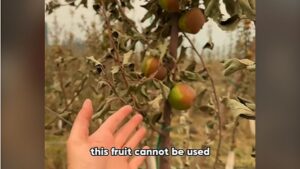
Ag operations in the PNW continue to deal with serious effects from wildfires. Apple Girl Kaitlyn Thornton is in the middle of it and providing insights.
Government agency extends Supplemental Disaster Relief Program application deadline, announces new flexibilities for losses.
The Farmers’ Almanac has shared its outlook for the 2026-2027 winter weather season. To no surprise, there are lots of extremes included.
Wildfires are rampaging in parts of the Pacific Northwest. Kaitlyn Thornton’s family apple orchard is in the middle of it.
In addition to protecting crops, equipment, and structures ahead of a storm, the health and well-being of your farmworkers need to be accounted for.
A new study maps which foods are most exposed to climate-driven disruption in the U.S. Find out which specialty crops top the list.
The 2026 Atlantic hurricane season is off to a slow start. Forecasters say it might stay that way thanks to a strengthening El Niño event.
Extreme weather is no longer an occasional disruption. For many growers, it has become a factor in production, investment, and risk management decisions.
According to a new market report, California strawberry volumes for the rest of the season will be a balance between higher acreage and weather damage.
Scientists ID genetic variation in apple budbreak and bloom timing, opening the door to breeding strategies for reducing losses from late-spring frosts.

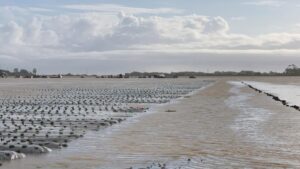
Growers can take practical steps now to safeguard their operations against the growing threat of extreme rainfall and flood-related losses.
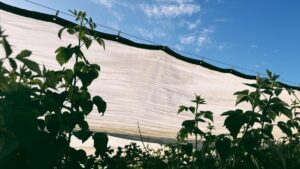
Washington State University research highlights the benefits and tradeoffs of promising raspberry protection strategies, including shade cloth.