Research paper digs into the bacteria’s complex relationship with the tree defense system.
University of Florida scientists secure more than $16 million in new funding to advance projects concerning the deadly disease.
Producers can and should take action now to protect their crops from any further damage.
Discovery using genetic editing for one malady could lead to possible plant breeding solutions for citrus greening, too.
Video by University of Florida researchers examines ways this specialty plant growth regulator treatment is best used to combat HLB and fight fruit drop.
Scientists find bacterial cousin in the Liberibacter family also might be infectious to other plants and crops.
Growers on each coast remain vigilant in their fight to eradicate the Asian citrus psyllid and HLB.
USDA-APHIS increases and establishes HLB quarantine areas. Find out where.
HLB has put many in the industry at a crossroads, but orange producer Paul Meador says he and his peers have enough optimism in the tank to grow forward.

Learn how seeing HLB as a pathogen-triggered immune disease might mean finding solutions more swiftly.
New, collaborative research project aims for the root of growers’ problems by breeding fruit tolerant to HLB.
For the first time ever, scientists have been able to measure the speed of a bacterium that causes the deadly disease.
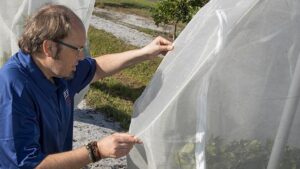
Learn more about new research that shows citrus trees grown under individual protective covers (IPCs) show no signs of HLB.
USDA’s National Institute of Food and Agriculture is investing nearly $11 million in several projects that aim to hit HLB from different angles.
Find out where you can learn more about gibberellic acid treatments and what they can do now to relieve stress for plantings racked by disease.
New quarantine area established as detection marks first time plant disease has been found in San Diego County.
Learn how scientists tapped into millions of years of data and plant survival for modern-day inspiration to solve HLB.
Researchers claim to have found a way to manage pests and diseases in multiple crops without the use of antibiotics.
The tool, often referred to as a blood test for plants, is getting more attention from growers.