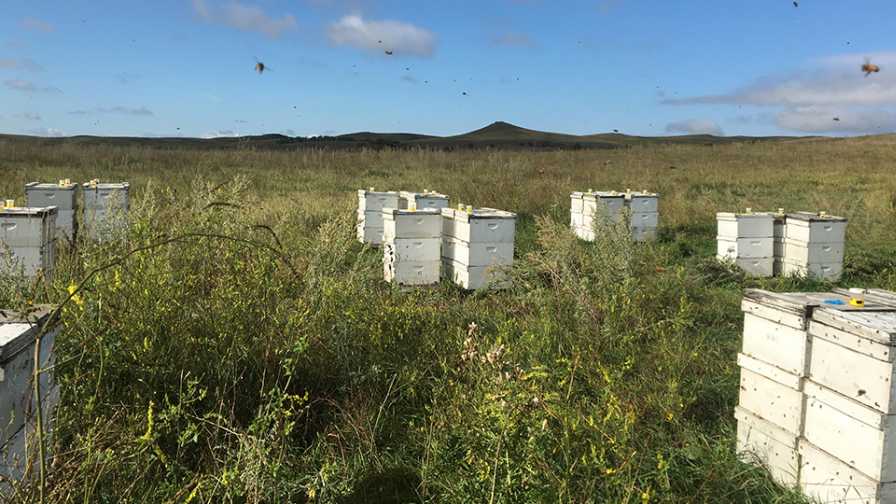
Are Worker Bees Too Ambitious For Their Own Good? By WSU Insider|May 20, 2024 Longer, warmer autumns mean more flying, raising chance of colony collapse in the spring.Read More
Figuring the Real Value of Organic Production for Your Vegetable Farm By Carol Miller|October 21, 2026
Latest Growing Produce Podcast: Are Robots Ready for Your Farm? Posted by Paul Rusnak|October 20, 2026
New Survey: High Diesel Costs Forcing California Farmers to Make Tough Cuts By California Farm Bureau|October 19, 2026
Wild Bees Setting Good Example for Pollination of Sweet Cherries By Dr. Maxime Eeraerts | Julia Osterman|May 5, 2024 Helter-skelter foraging traits of wild bees improve honeybees’ pollination contribution.
Feeling the Buzz: Like Many People, Honey Bees Like a Shot of Caffeine Posted by Growing Produce Staff|August 17, 2021 It’s no wonder, as they improve their memory, boosting their learning ability.
The Buzz on Beehive Quality for Better Berries By Thomas Skernivitz|July 13, 2021 The more inviting to bee colonies, the better chance berry fields have at proper pollination.
This New Tool Is Sweet for Almond Growers and Beekeepers By Kathie Taylor|May 19, 2020 With the amount of commercial bees currently unsustainable, a unique resource can help better predict the number of colonies that will survive the winter.
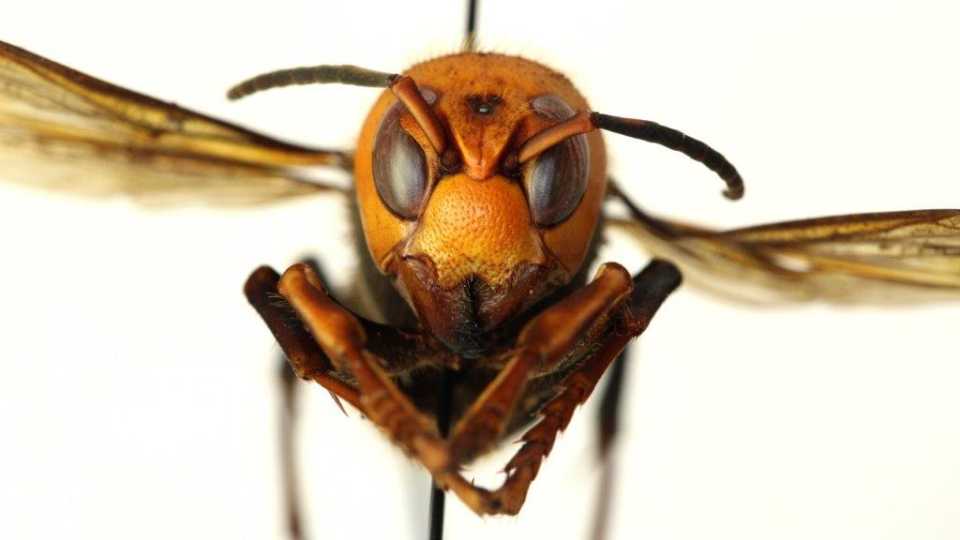
Bees Aware: Invasive ‘Murder Hornet’ a New Threat to Pollinators Posted by Paul Rusnak|May 4, 2020 The first-ever sightings in the U.S. of the world’s largest species of hornet have been reported, and these winged insects have it out for honey bees.
New Mobile App Connects Beekeepers and Farmers Posted by Paul Rusnak|January 14, 2019 Pollination Network aims to help local growers across the U.S. find the bees they need for healthier and more sustainable crops.
New Honeybee Lab in Florida Creating a Buzz By Frank Giles|July 23, 2018 University of Florida-run facility will tackle some of the biggest pollinator problems.
Researchers May Have Unlocked Key to Honeybee Management Posted by David Eddy|July 3, 2018 It’s all about having guts — and what they say about colony queens and workers.
Webinar Series Highlights New Research on Honeybee Health Posted by Christina Herrick|May 23, 2017 National Pollinator Week webinar showcases research to improve honeybee colony health by 2020.
Study: Honeybees Collect Urban Pesticides Via Non-Crop Plants Posted by Rosemary Gordon|May 31, 2016 Purdue research indicates pollen is consistently contaminated with not only agricultural, but urban pesticides.
USDA Research IDs Factors Contributing To Honeybee Queen Failure Posted by Rosemary Gordon|February 16, 2016 With improvements in packaging and shipping conditions, the result could have an impact on improving queens, colony survival.
Tips To Help Secure A Good Beekeeper Agreement By Ann-Marie Jeffries|February 3, 2016 Pollination is one of the most important aspects of almond growing, and this time of year, making sure […]
The Future Of Almonds And Honeybees Posted by Ann-Marie Jeffries|October 6, 2015 Dan Cummings knows a thing or two about honeybees. Not only does he oversee 6,500 acres of almond […]
Buzzworthy Trend: Florida’s Bee Colonies Building Posted by Paul Rusnak|May 29, 2015 Cooperation between beekeepers and growers paying off.
Beekeepers Lost 40% Of Bees In 2014-15 Posted by Rosemary Gordon|May 14, 2015 Beekeepers across the U.S. lost more than 40% of their honey bee colonies from April 2014 to April 2015, according to the latest […]
Overturned Truck Dumps Millions Of Bees On Highway Posted by Rosemary Gordon|April 22, 2015 The truck with 448 hives was headed to a farm in Washington.
Blue Orchard Bee Shows Promise As An Alternative Pollinator In Almonds By Richard Jones|March 30, 2015 The native bee Osmia lignaria could soon be a valuable piece of the pollinator mix, especially for smaller almond growers.
Honeybee Forage Program Helps Bees And Growers By Ann-Marie Jeffries|March 10, 2015 Project Apis m. is targeted at improving bee health with the help of California almond growers.
USDA To Provide $4 Million For Honey Bee Habitat Posted by Lauren María Alexander|October 29, 2014 The funds will go toward helping growers implement conservation practices to improve honey bee health.