More Vegetables
In a nod to the pod, Washington State University’s Carol Miles dishes the dirt on this hot alternative crop.
Learn how University of Florida scientists are attempting to shine a new light on insect pest control for growers.
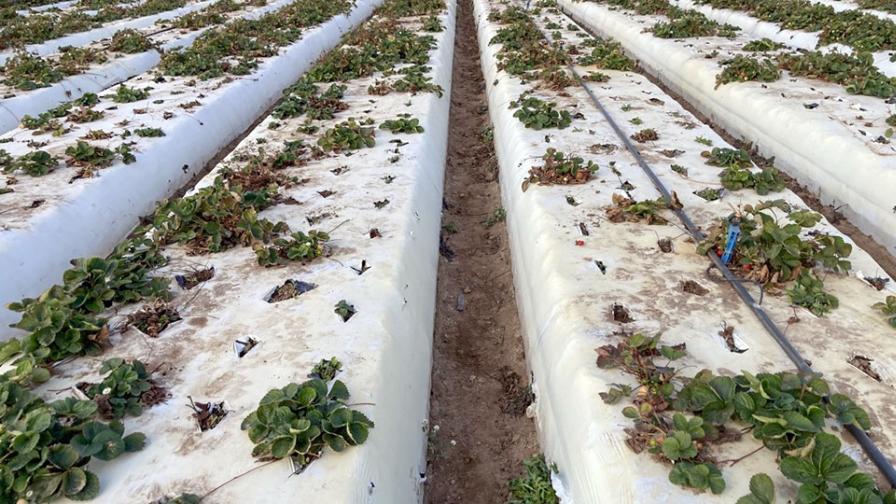
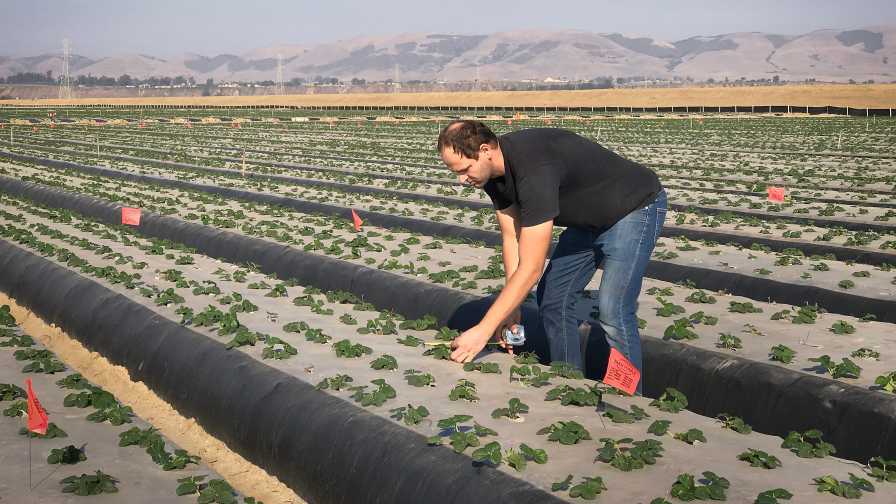
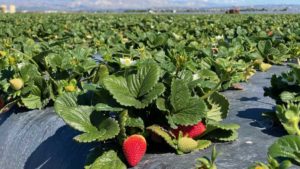
Learn more about a new $1 million grant that will fund research inside the California Strawberry Center at Cal Poly San Luis Obispo.
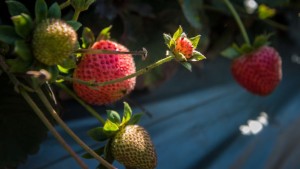
Researchers find that clothianidin’s negative affects on wild bees include impairing the bees’ ability to pollinate strawberry flowers.
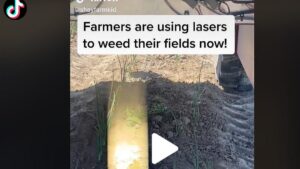
Vegetable grower Shay Myers uses TikTok to show off what he calls ‘the coolest farming tech you’re ever going to see.’
Plenty Unlimited has secured up to 120 acres of land near Richmond, VA, to bring fresh produce to the East Coast year-round, starting with Driscoll’s berries.

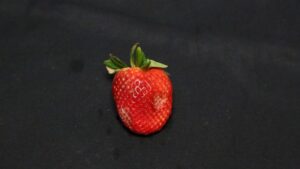
New ag tech system taught to detect bruised fruit before it gets to the grocery store.
Research and field experience from the Desert Southwest can help you control this pest.
UC Davis says it will release resistant varieties to growers later this year.
Scientists search for the sweet spot to find genes responsible for several flavor compounds in popular food crop.
Walt Dasher of G&R Farms Awarded 2022 Honorary State FFA Degree at Annual Georgia State FFA Convention.
Sriracha king Underwood Ranches diversifies and thrives five years after losing 75% of its business.
More than a decade in the making, scientists are set to release a tiny wasp that controls a highly destructive fruit fly.
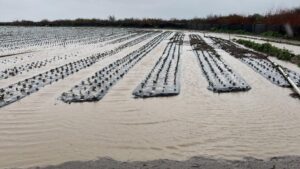
Unique study taps oxygen fertilizers to breathe new life into plants impacted by recurrent flood concerns.
Learn how strawberry growers look to benefit from new research that digs deep inside plant trait data.
While the chance of an outbreak is not great, the quality of straw mulch being used is definitely a point worth pondering.
Local onion producers will have a say on the continuation of the Onion Promotion and Development Program and on proposed changes to the economic initiative.
The retailer is recalling organic zucchini distributed by World Variety Produce due to Salmonella concerns.
Studies show a line of bees developed by USDA-ARS is more than twice as likely to make it through the cold months than standard honey bees.