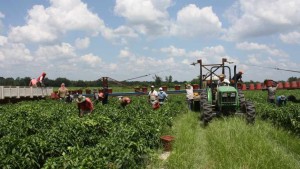
U.C. Davis SmartFarm’s David Slaughter discusses the farm worker of the future and the skill set necessary to thrive in a digital-first farming industry. Read More
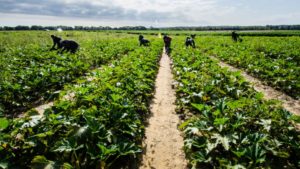
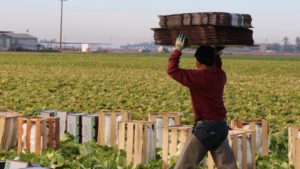
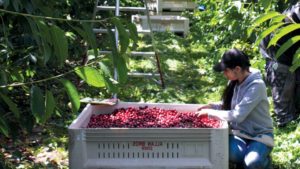
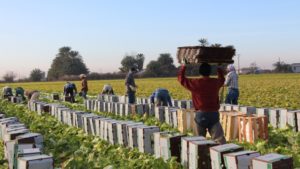
A survey conducted by the California Farm Bureau Federation and the University of California, Davis, highlights the issue growers face with securing ample numbers of ag workers.
The New York State Assembly voted in an amended version of the Farm Laborers Fair Labor Practices Act, which requires farm owners to pay workers overtime wages and grants farm workers the right to unionize and collectively bargain with management.
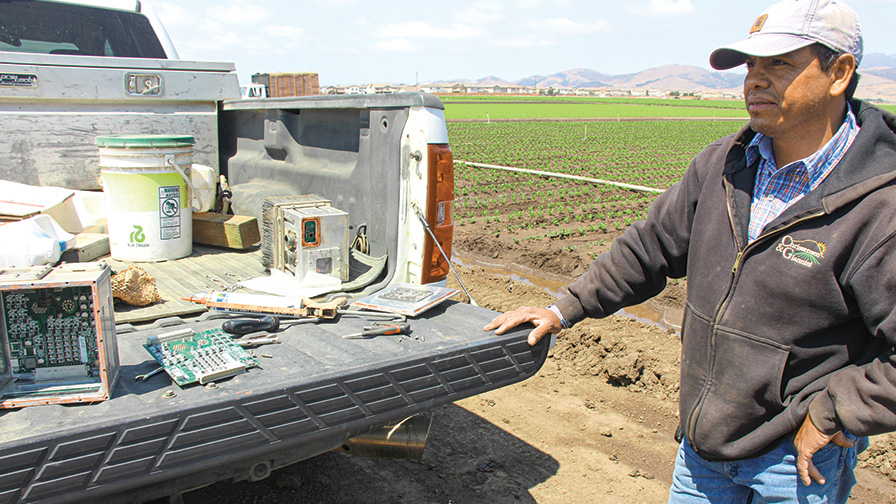
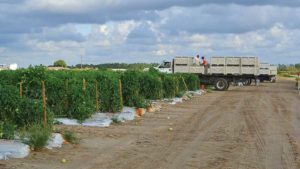
Paul Baker, a fruit and vegetable grower as well as the Director of New York’s fruit association, raises the alarm on the unintended long-term consequences of the potential law.
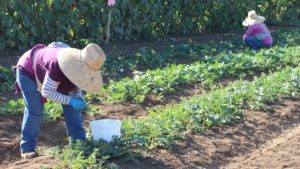
We all know labor is the biggest problem most growers deal with. But why is it so tough? You told us in the 2019 State of the Vegetable Industry survey.
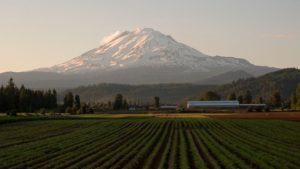
Corteva Agriscience conducted a study that included 4,160 respondents living in 17 countries (from both the developed and developing world) on five different continents.





![Top 7 Reasons Farmworkers Are So Hard to Find [2019 State of the Vegetable Industry]](https://s3.amazonaws.com/files.growingproduce.com/growingproduce/wp-content/uploads/2019/01/Labor-AVG-SOI-2019-Man-picking-herbs-FEATURE-300x169.jpg)
![Blame Modern Media for the Death of Nuance [Opinion]](https://s3.amazonaws.com/files.growingproduce.com/growingproduce/wp-content/uploads/2018/07/frustrated_web_browser-300x169.jpg)