Grapes
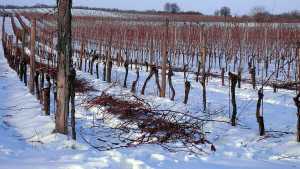
New computer model projects the temperatures that cause freeze damage in Northeastern cultivars.
UC Davis’ Larry Williams says grapevine crop coefficients increase with degree day accumulation and trellis width, and are reduced as row spacing increases.
Optimal weather conditions set the stage for what looks to be a memorable vintage across the state.
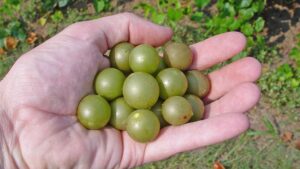
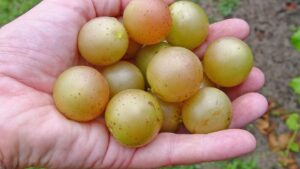
There’s always plenty to talk about at UGA’s annual muscadine field day. Take a look at some new muscadine selections.
Biocontrols benefit wine grape growers, but there is still room for improvement when it comes to beating vine mealybug pest.
Twelve counties and counting are under quarantine for the invasive pest. Find out what ag experts are saying.
Coons, birds force Virginia grape growers to rely on protected ag measures in their vineyards.
Electric fencing may be the most effective method in deterring damage in fruit plantings.
Field reports indicate most growers around the state reported outstanding quality and above-average yields from harvests that started earlier than normal.

While table grape growers often wish to boost berry levels, wine grape growers are just the opposite.
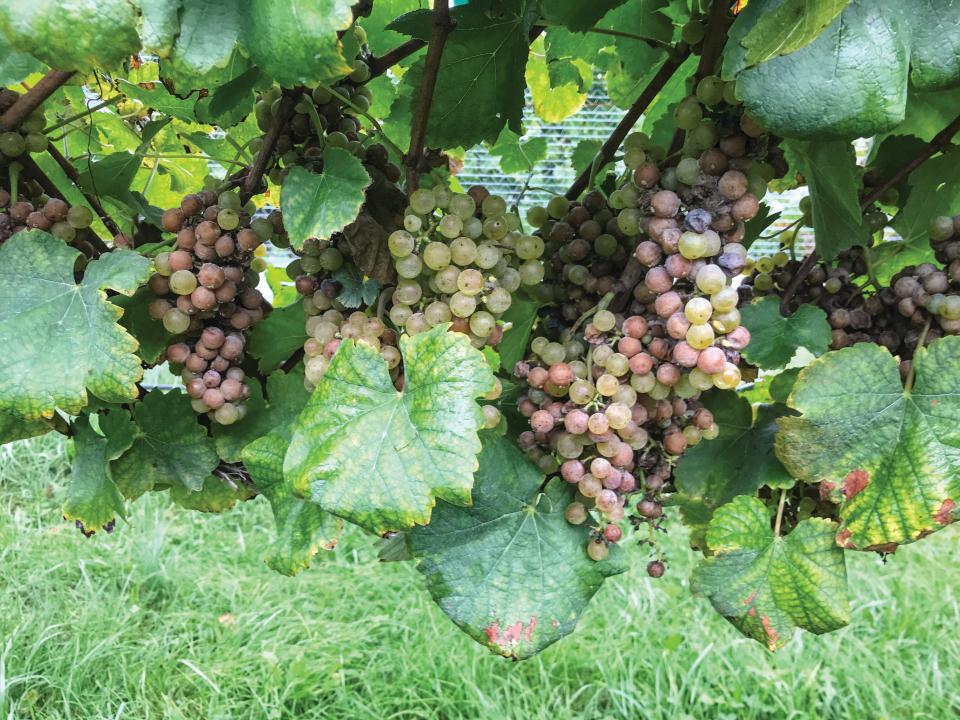
Local researchers confirm regions with persistent disease presence are seeing increased diagnoses.
Florida researchers harvest the first crop of Pierce’s Disease-resistant wine grapes. Learn what this could mean for local viticulture interests.
West Coast Smoke Exposure Task Force launches comprehensive website for wine grape growers concerned with taint.
Newly funded research aims to to enhance and support the California viticulture and grape nursery industry.
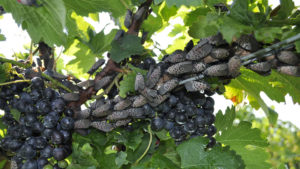
New York Department of Agriculture and Markets confirms first detection of spotted lanternfly in proximity to commercial vineyards in the Finger Lakes.
USDA is expanding coverage options and making additional policy updates starting for 2025 crop year.
Geneva, NY, facility will house the ARS Grape Genetics Research Unit and ARS Plant Genetic Resources Unit.
Initial find has long been feared because the Golden State produces 90% of the nation’s grapes, the invasive pest’s favorite food.
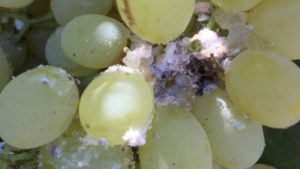
Cornell researchers confirm damaged grape skin combined with fruit fly pressure make for increased chances of sour rot in vineyards.