Vonnie Estes, the new VP of Technology for the Produce Marketing Association, provides insight on what the gene-editing tool means to farming and beyond.
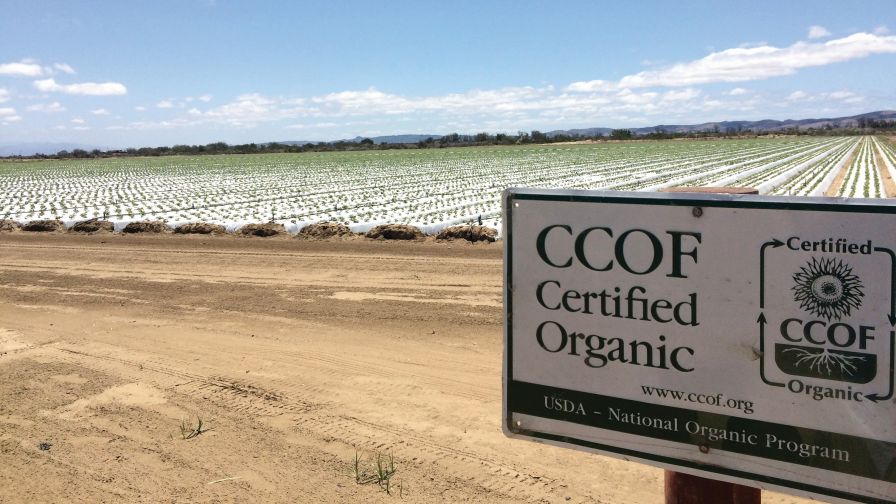
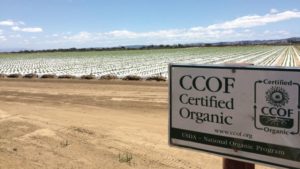
According to the latest State of the Vegetable Industry survey, the number of farms devoting more than half of its operation to organic product is growing.
Not long ago, conventional wisdom said only row crop operations would adopt precision agriculture tools. However, the 2019 State of the Vegetable Industry shows the time of precision agriculture in vegetable production has arrived.




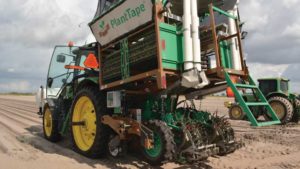
![How Auto Weeders and Thinners Work [Photo Essay]](https://s3.amazonaws.com/files.growingproduce.com/growingproduce/wp-content/uploads/2019/03/tractor-pulling-auto-thinner_feature-300x169.jpg)



![55% of Vegetable Operations Grow Indoors [2019 State of the Vegetable Industry]](https://s3.amazonaws.com/files.growingproduce.com/growingproduce/wp-content/uploads/2019/01/Protected-Ag_feature-300x169.jpg)
![You Have Embraced Precision Agriculture [2019 State of the Vegetable Industry]](https://s3.amazonaws.com/files.growingproduce.com/growingproduce/wp-content/uploads/2019/01/Technology_feature-300x169.jpg)

![Production Levels Weakened Last Year [2019 State of the Vegetable Industry]](https://s3.amazonaws.com/files.growingproduce.com/growingproduce/wp-content/uploads/2018/10/Sweet-potato-harvest-at-Jackson-Family-Farm-2017-300x169.jpg)