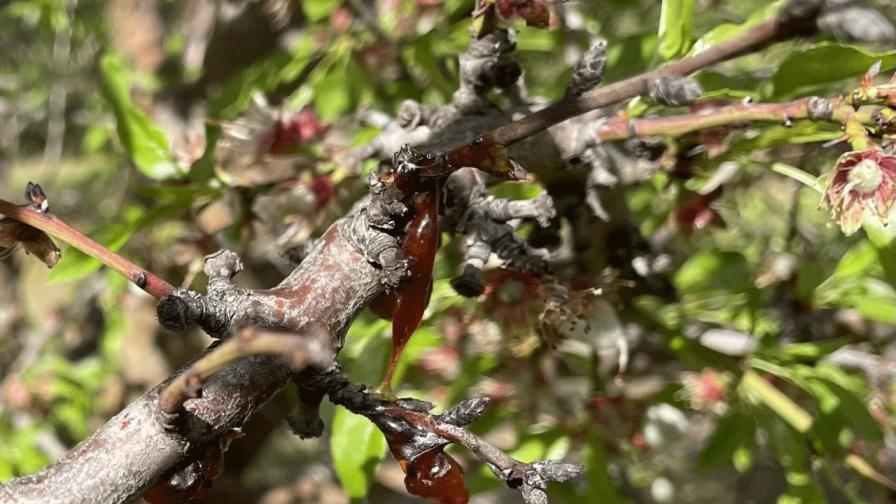
California Growers See Wave of Pathogen Pressure in Wake of Atmospheric Rivers By Emily C. Dooley, UC Davis|May 18, 2023 Researchers say rare plant disease outbreak of Phytophthora syringae similar to El Niño-influenced events during the 1990s.Read More
Will New HLB-Resistant Rootstock Change the Game for Florida Citrus? By UF/IFAS News|October 16, 2026
International Fresh Produce Association Appoints New Board Chair Posted by Growing Produce Staff|October 15, 2026
What Is the 2023 California Almond Crop Forecast Looking Like So Far? Posted by Paul Rusnak|May 15, 2023 Thanks in large part to recent wild weather impacts, report from USDA NASS indicates yield per acre could be the lowest in nearly 20 years.
California Growers Enjoy Groundwater Recharge — But Wary of Storms at Bloom By David Eddy|March 14, 2023 Welcome winter rains continue into mid-March, putting tree fruit and nut growers on edge.
Scientists Probe for Answers To Help Prevent Winter Bee Colony Losses Posted by Growing Produce Staff|February 28, 2023 Learn more about what was discovered regarding the metabolic pathway of honey bees.
Industry Experts Say Prospects Still Looking up for Almond Growers By David Eddy|February 21, 2023 Producers are being hit with a tsunami of problems, but there are several lights at the end of the tunnel.
Proper Irrigation and Spraying are the Foundation of Your Nut Orchard By Franz Niederholzer|February 4, 2023 In uncertain times, the basics come first. Follow these tips to save time and money in the long run.
Almond Growers Deal With Overplanting, Look for Silver Linings By David Eddy|December 13, 2022 Despite California’s almond acreage declining for first time in 25 years, the industry still faces a glut, though there are rays of sunlight.
Almond Growers To Get a Boost for Planting Cover Crops By David Eddy|October 31, 2022 USDA grant will provide money for growers to expand the habitat and forage for honey bees.
Be Proactive To Keep Your Almond Crops Disease-Free By David Eddy|October 1, 2022 Squeezed by lower prices, growers have been cutting inputs, and now more than ever they need a plan.
Drought in California Catching up to Almond Growers By David Eddy|September 20, 2022 The lack of water and other factors mean lower yields, but long-term outlook remains bright for ‘crop of choice.’
It’s Full Steam Ahead for Nut Growers in California By David Eddy|July 16, 2022 Despite the many problems of farming in the Golden State, most nut growers are increasing production.
Anchors Aweigh: Almond Alliance CEO Applauds Ocean Shipping Reform Bill By Thomas Skernivitz|June 21, 2022 Granted new authority, the Federal Maritime Commission can now aim to end supply chain disruptions in U.S. ports.
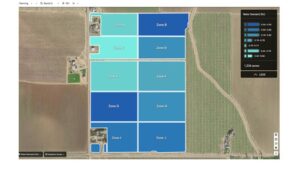
High Tech Tools Help Bullseye Farms Hit the Mark in Irrigation By Mindy Robinson|May 17, 2022 See how large California ag operation uses aerial imaging technology to find watering solutions.
Know When It’s Time to Dial up the Nitrogen for Almond Crops By Franz Niederholzer|March 22, 2022 In the face of unpredictable weather conditions and rising fertilizer costs, the trick is to apply the material efficiently.
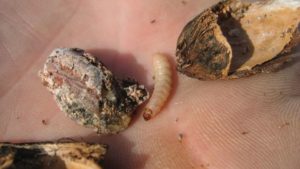
Mating Disruption Pays To Protect Your Almond Crop from Navel Orangeworm By David Eddy|February 18, 2022 Pest reduction technique provides both economic and environmental benefits.
Ways to Monitor Water Quantity and Quality for Almonds By David Eddy|February 1, 2022 Growers need to watch how much they irrigate —and what’s in the water.
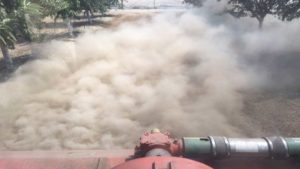
The Time Is Now for Almond Growers To Cut the Dust By David Eddy|November 16, 2021 Ambitious industry program calls for at least some growers to make big changes in harvest practices.
Wading Through Water Woes: California Growers Face Uncertain Future By David Eddy|August 31, 2021 State’s water situation grows increasingly dire, though fruit and nut growers should fare better than others in the long run.
Cover Your Bases for Optimal Almond Pollination By Thomas Skernivitz|July 27, 2021 There’s no better place for a honey bee to be these days than an almond orchard designed by Project Apis m. to promote pollination.
What’s up With the Abnormal Start to Almond Growing Season? By Wesley K. Asai|July 20, 2021 Growers have dealt with atypical symptoms throughout 2021 because of various weather-related events.