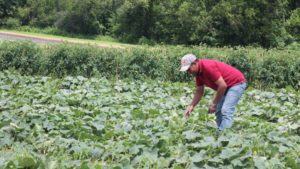
USDA GAP (Good Agricultural Practices) Program helps farmers improve food safety practices, and certification opens doors to larger buyers.
As wine consumption continues to decline worldwide, California keeps producing too many grapes.
Trump administration’s newly proposed fees up to $1 million per entrance on Chinese-operated ships puts domestic growers on troubled waters.
By discovering how plants defend themselves from pests, ag researchers aim to help farmers grow resilient crops.
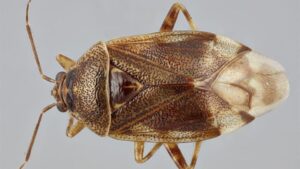
Who’s eating whom in pears? USDA reveals Washington state’s most valuable insect predators.
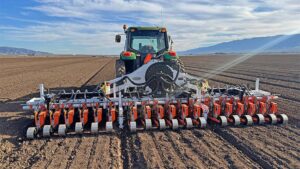
We asked suppliers for their take on the best planter and transplanter equipment for vegetable crops. Here’s what they had to say.
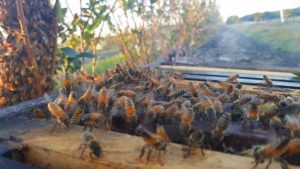
Colony Collapse Disorder never really went away; reports of widespread honey bee colony losses are increasing.
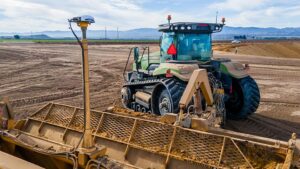
Precision ag practice reshapes land topography to optimize the distribution of irrigation water across an orchard.
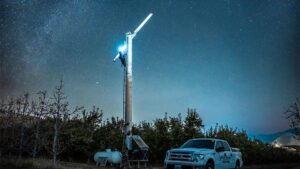
Regular inspections of your wind machined are crucial for frost protection and orchard safety. Neglect can lead to costly breakdowns and dangerous failures.
Feedback from the Farm Labor Survey can help make our elected officials aware of essential improvements to the H-2A program.
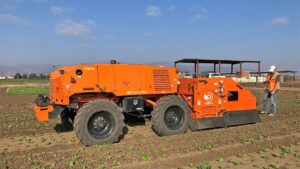
Intelligent weeders have been the most effective new weed control tools that have been developed in recent years.
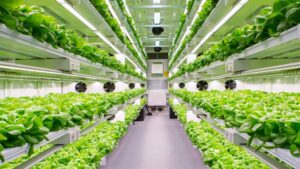
In a new comprehensive report, our colleagues at CEAg World dive deep into the critical topics shaping the vertical farming sector.
Experts share their top tips to help growers make informed decisions when financing their next tractor purchase.
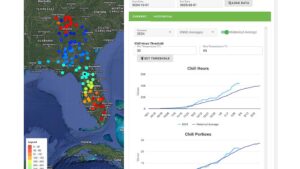
Climatetoolbox website provides growers with historical data; updated Agroclimate site offers chill hours data by location.
American Fruit Grower has opened its annual State of the Fruit and Nut Industry survey. Now’s your chance to participate.
Anchored by soil moisture sensors, water management platforms guide growers’ irrigation game plans.
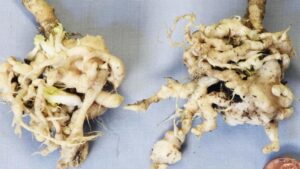
How growers are combating diseases through integrated management, using pathogen-free sites, resistant crops, and targeted crops.
Biostimulant-treated plants often resume normal physiological processes more quickly, translating into healthier fruit set and less severe yield reductions.

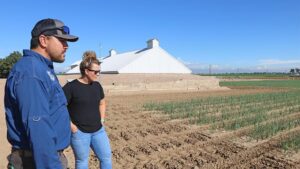
Colorado onion farm Fagerberg Produce achieved the seemingly impossible – keeping weeds to a minimum.