Regional Integrated Pest Management Grants Reduced Pest Risks In The West Posted by Rosemary Gordon|July 22, 2015 The program created tools and training information designed for Western growers.Read More
Latest Growing Produce Podcast: Are Robots Ready for Your Farm? Posted by Paul Rusnak|October 20, 2026
New Survey: High Diesel Costs Forcing California Farmers to Make Tough Cuts By California Farm Bureau|October 19, 2026
What Growers Should Know About the New ‘Fontana’ Blackberry Posted by Growing Produce Staff|October 19, 2026
Penn State University To Present IPM Scouting Program For Young Growers Posted by Christina Herrick|July 13, 2015 Penn State University Extension will present a networking session for young growers featuring hands-on training on scouting orchards […]
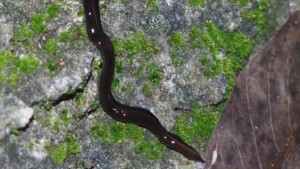
South Florida’s Newest Pest Has Significant Ooze Factor Posted by Paul Rusnak|July 2, 2015 The infamous New Guinea flatworm, one of the ‘world’s worst invasive alien species,’ might have found a new home.
Governor’s Budget Veto Likely To Shutter UF/IFAS Invasive Pest Quarantine Lab Posted by Paul Rusnak|June 25, 2015 A $180,000 increase, plus another $720,000 in funding for program gone in the stroke of a pen.
Parry America Aims To Boost Biopesticide Business Via Sales & Marketing Hire By Growing Produce Staff|March 19, 2015 Brian Dockery tapped to drive growth of company’s specialty crop sector.
Florida To Get $7.3 Million To Fight Agricultural Pests, Diseases By Growing Produce Staff|March 19, 2015 Federal Farm Bill funding will bolster surveillance, detection, and identification of invasive threats to crops.
IPM Institute Of North America Offers Conference Calls To Educate Growers Posted by Christina Herrick|February 11, 2015 Weekly educational sessions to address IPM program issues that arise during the extent of the growing season.
Meet The IPM Expert: Emily J. Symmes, UC Cooperative Extension By David Eddy|January 20, 2015 Area IPM Advisor Emily Symmes helps growers preserve profits, quality and environmental stewardship through sound IPM practices.
Strawberry Growers Get New Disease-Fighting Smartphone App Posted by Paul Rusnak|January 12, 2015 Southeast Regional Fruit and Vegetable Conference attendees get first look at ‘MyIPM.’
Manage Brown Marmorated Stink Bug Without Abandoning IPM By Jenna Rymer|January 5, 2015 Research shows a mix of traps, monitoring, and insecticides can help Eastern peach growers keep brown marmorated stink bug in check.
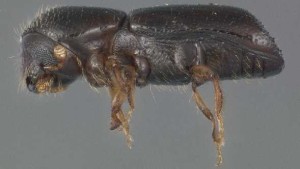
Potential Biological Control Found For Potent Avocado Pest Posted by Paul Rusnak|December 2, 2014 University of Florida scientists believe fungi could be key to beating the red bay ambrosia beetle and laurel wilt disease.
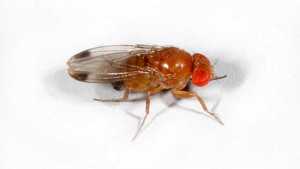
Spotted Wing Drosophila Regional Workshops Held In New York Posted by Christina Herrick|December 1, 2014 Management tips, early warning signs, and pest biology are among topics discussed at one-day events.
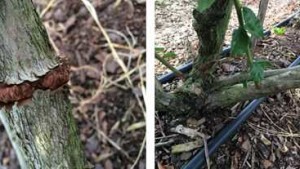
Suspected Borer Could Be Big Bother To Florida Blueberry Growers Posted by Paul Rusnak|November 24, 2014 Producers warned to be on the lookout as scientists probe samples.
Ramped-Up Predatory Mite Production To Benefit Growers Posted by Paul Rusnak|November 21, 2014 Biologics company Beneficial Insectary now rearing two species in its California facility.
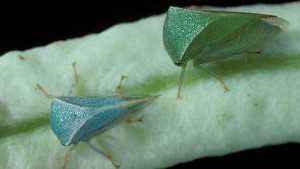
Cover All Angles When Taking On Threecornered Alfalfa Hoppers By Gene McAvoy|August 25, 2014 Learn how to ID, the survival and spread, and management methods for this insect pest.
Cover Crop Solutions Offers New Three-Way Cover Crop Mix Posted by Rosemary Gordon|August 13, 2014 A fast-growing cover crop mix needs 45 to 60 days of growth in warm conditions.
Biotech’s Many Benefits [Opinion] By David Eddy|August 5, 2014 The U.S. House of Representatives Committee on Agriculture’s Subcommittee on Horticulture, Research, Biotechnology, and Foreign Agriculture held a […]
Baythroid XL Receives Special Florida Label For Asian Citrus Psyllid Control Posted by Frank Giles|July 30, 2014 EPA approval will add another option for growers’ chemical rotations.
Florida Farmers Feeling Pains Of Methyl Bromide Phase-Out By Frank Giles|July 22, 2014 Growers look for recommendations to keep fields clean in the absence of the long-used fumigant.
Northeastern IPM Center Seeks Input On EPA Agriculture Worker Protection Standard Posted by Christina Herrick|July 2, 2014 Proposed changes increase protections from pesticide exposure.









![Biotech’s Many Benefits [Opinion]](https://www.growingproduce.com/wp-content/uploads/2011/12/29894-e1407246236538-300x169.jpg)