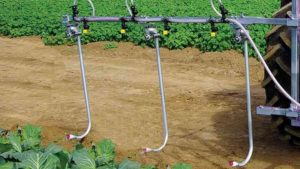
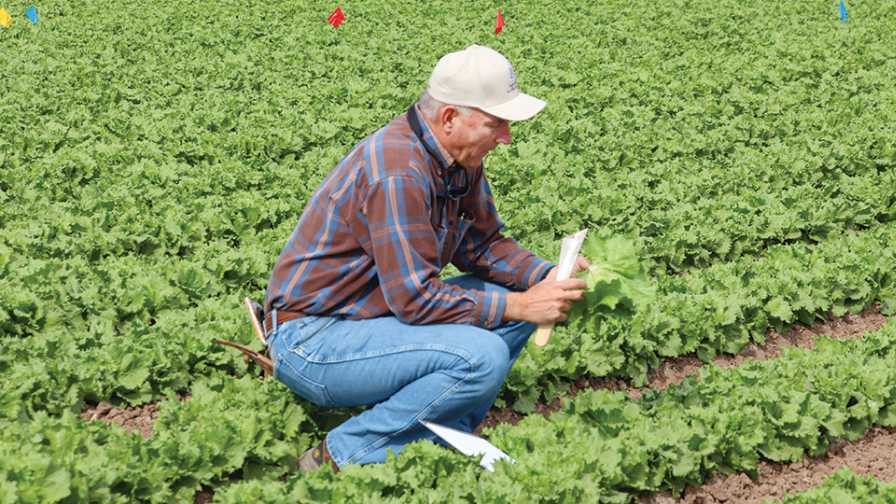
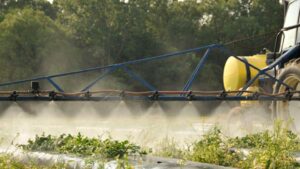
AI Offering Wiser Way To Kill Weeds in Vegetable Crops By UF/IFAS News|February 19, 2025 Newly developed precision spraying system powered by AI aims to help growers save on herbicide use through more efficient application.Read More
New Survey: High Diesel Costs Forcing California Farmers to Make Tough Cuts By California Farm Bureau|October 19, 2026
What Growers Should Know About the New ‘Fontana’ Blackberry Posted by Growing Produce Staff|October 19, 2026
Will New HLB-Resistant Rootstock Change the Game for Florida Citrus? By UF/IFAS News|October 16, 2026
Mind Resistance Management for Better Insecticide Performance in Vegetable Crops By John C. Palumbo|February 18, 2025 With the potential reduction in insecticide availability in the future, it’s crucial to ensure currently available products remain effective.
Investing in Your Soil Matters for Healthy Almond Crops By Rodger Belisle, Syngenta|February 17, 2025 Proper maintenance ensures improved yield and income. On the contrary, poor soil health can create a breeding ground for unwanted disease pathogens.
Survey Reveals How Specialty Crop Growers Use and Value Biologicals Posted by Growing Produce Staff|February 12, 2025 Survey respondents indicate 65% of specialty crop growers are using biologicals to boost yields and improve quality.
Watch New LaserWeeder G2 Products at Work in the Field Posted by Growing Produce Staff|February 10, 2025 Carbon Robotics has done it again. Powered by AI, its LaserWeeder G2 provides precise weed control in new sizes, configurations, and prices.
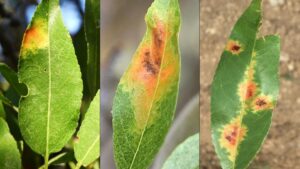
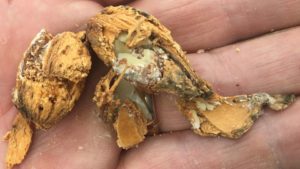
Important Points To Know About Red Leaf Blotch of Almond By Peter Feng, JH Biotech Inc.|February 7, 2025 Plant residue decomposers, phosphite-based products used as preventive measures against fungal diseases.
Most Popular Crop Protection Products Being Used on California Farms By Bob West|February 5, 2025 Data show RoundUp PowerMAX 3, Microthiol Disperss, and LI 700 among the top California crop protection product use in 2024.
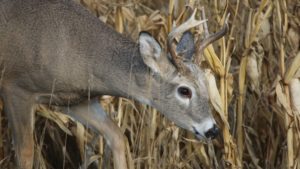
Solutions Found by Vegetable Growers for Wildlife Control Challenges By Michele Katsaris|February 4, 2025 Discover effective strategies and lessons learned from growers on managing wildlife control challenges like deer, birds, and rodents.
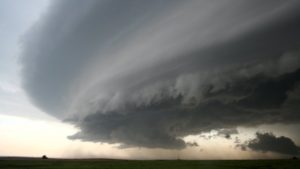
Get Wiser to Weather Analytics for Better Crop Protection By CropLife|January 31, 2025 Weather analytics provides foresight in allowing users to make correct and timely decisions on key agronomic practices.
Growers Want Help Against Cherry Leaf Spot Disease By Thomas Skernivitz|January 29, 2025 Fungicide resistance turns Michigan growers into easy pickings for cherry leaf spot when wind and rain prevail. Scientists search for new options.
Big Money Going To Help Contain Exotic Fruit Fly Outbreaks By USDA-APHIS|January 27, 2025 USDA secures $129.2 million in emergency funds to deter fruit flies — some of the most destructive fruit and vegetable pests in the world.
Researchers Focus in on Solutions for Zebra Chip Disease By AgriLife Today|January 23, 2025 Scientists are working on a new project to fight plant diseases transmitted by psyllids — particularly the zebra chip disease, a pain for potato growers.
What Upgrade Makes This High Tech Orchard Sprayer Even Smarter Posted by Growing Produce Staff|January 20, 2025 Munckhof Fruit Tech Innovators comes up with new load sensing technology for its VariMAS orchard sprayer. Learn how it works.
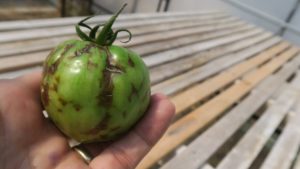
Scientists Aim for Better Control of Tomato Spotted Wilt Virus By AgriLife Today|January 16, 2025 Federal grants to help researchers wrangle tomato spotted wilt virus (TSWV), a vector-borne disease of tomatoes, peppers, and scores of other plants.
USDA Makes Crop Protection a Priority With Big Investment By USDA-APHIS|January 16, 2025 USDA is granting more than $70 million to back hundreds of projects meant to fortify, prevent, detect, and mitigate invasive pests and diseases.
Survey To Reveal What Produce Growers Know About Biocontrols By David Eddy|January 13, 2025 What do your fellow growers know about biocontrols? Here’s how you can find out.
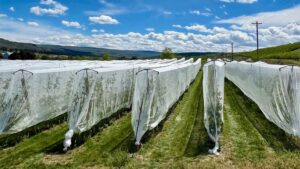
Nothing but Net! Unique Way To Keep Codling Moth at Bay By Melanie Lux|January 9, 2025 Drape netting in organic apple orchard prevents repeat of destructive 2021 season.
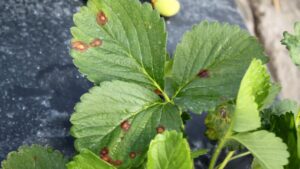
What’s Being Done To Address Major Disease Threat in Strawberries Posted by Growing Produce Staff|January 8, 2025 Currently, there are no commercially available public strawberry varieties resistant to neopestalotiopsis. A new partnership aims to change that.
How to Design an Effective Fungicide Program for Your Vegetable Crops By Anthony P. Keinath|January 7, 2025 If you take these straightforward steps, you can develop a fungicide program that works for you.
Big Step for Chlorantraniliprole Insecticide Products By Thomas Skernivitz|January 6, 2025 EPA approves chlorantraniliprole post-patent products. Learn about two that pertain to fruit and nut growers.