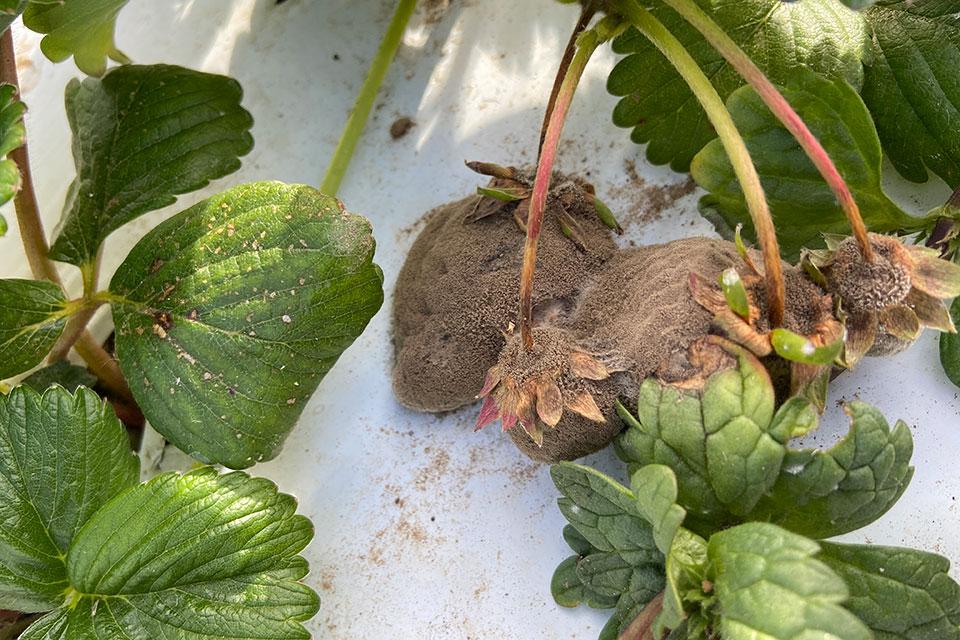
Botrytis Resistance a Growing Challenge in Strawberries By Mike Zawacki|April 21, 2025 A small degree of Botrytis infection all but guaranteed in New York strawberry fields despite even the best fungicide spray programs. Read More
New Survey: High Diesel Costs Forcing California Farmers to Make Tough Cuts By California Farm Bureau|October 19, 2026
What Growers Should Know About the New ‘Fontana’ Blackberry Posted by Growing Produce Staff|October 19, 2026
Parrots: Colorful Friends Or Crop-Killing Foes? By Douglas J. Guth|April 14, 2025 Contrary to some farmers’ beliefs, invasive parrots and parakeets are not significant agricultural pests.
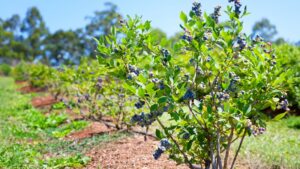
New Tool To Predict Anthracnose Risk For Blueberries By Michigan State University Extension|April 11, 2025 A new anthracnose risk prediction model could be a big help for Michigan blueberry growers. See how it works.
Best Practices for How To Handle Rapid Apple-Tree Decline By Jon M. Clements|April 10, 2025 Covering your bases means covering a lot when it comes to the puzzling rapid apple-tree decline (RAtD).
Sensible Ways To Stop Pests Invading Your Vegetable Crops By Michele Katsaris|April 7, 2025 No need for drastic measures when sensible integrated pest management (IPM) methods can do the job just as effectively.
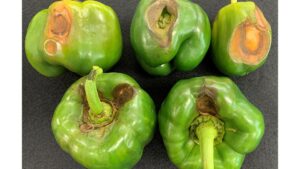
Pepper Anthracnose Is on the Move – What Growers Should Know By Anthony P. Keinath|April 4, 2025 Fungicides are effective, but weather and crop variety also play a key role.
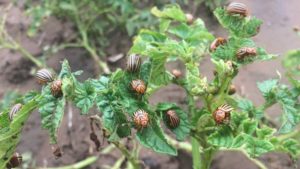
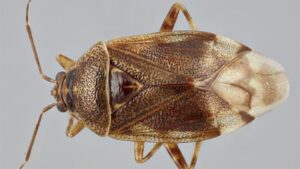
6 Emerging Vegetable Pests To Watch Out For By Michele Katsaris|April 1, 2025 New pests are emerging as serious threats to vegetable crops, requiring growers to adapt their pest management strategies.
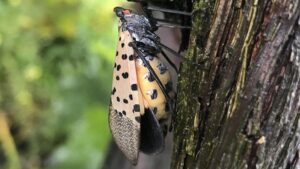
Why Virginia Has Repealed Its Spotted Lanternfly Quarantine Posted by Growing Produce Staff|March 31, 2025 Virginia Board of Agriculture and Consumer Services repeals quarantine for spotted lanternfly that has been in effect since 2019.
Researchers Find New Way To Fight Parasitic Weeds By UC Riverside News|March 24, 2025 Scientists at UC Riverside take unique path to weed control by triggering parasitic plant demise to help farmers.
New Plant Health Discovery Could Be Gamechanger for Food Crops By Brian Consiglio, University of Missouri|March 21, 2025 By discovering how plants defend themselves from pests, ag researchers aim to help farmers grow resilient crops.
What Good Bugs are Best? The Most Valuable Insect Predators for Your Orchard By Melanie Lux|March 20, 2025 Who’s eating whom in pears? USDA reveals Washington state’s most valuable insect predators.
Highlights From the BioSolutions 2025 Conference and Expo By Growing Produce Staff|March 13, 2025 Hundreds of specialty crop industry stakeholders recently gathered in Fresno for the 10th Annual BioSolutions Conference and Expo.
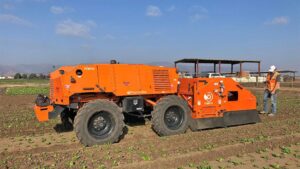
Auto Weeders Becoming Potent New Tools in Vegetable Fields By Steven Fennimore|March 12, 2025 Intelligent weeders have been the most effective new weed control tools that have been developed in recent years.
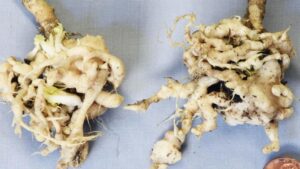
More Effective Disease Control in Your Vegetables via Crop Rotations By Steven T. Koike, TriCal Diagnostics|March 7, 2025 How growers are combating diseases through integrated management, using pathogen-free sites, resistant crops, and targeted crops.
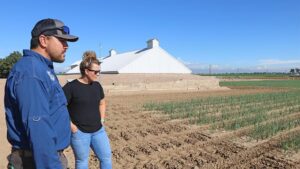
What Fagerberg Produce Is Doing To Keep Its Onions Weed Free By Carol Miller|March 5, 2025 Colorado onion farm Fagerberg Produce achieved the seemingly impossible – keeping weeds to a minimum.
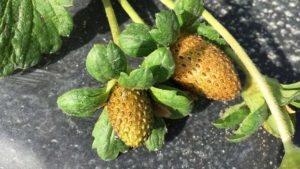
2 Strawberry Varieties That Stand up Better to Chilli Thrips By UF/IFAS News|March 5, 2025 Study shows two standout strawberry varieties that better resist chilli thrips than others. Find out which ones.
Eyeing Isocycloseram: Syngenta Seeks Registration for New Insecticide Technology Posted by Growing Produce Staff|February 27, 2025 Isocycloseram is a novel active ingredient for early-season insect management in tree fruit crops, vegetables, field corn, and more.
Shocking Research: Electric Weed Control Fruitful in Various Berry Crops By Douglas J. Guth|February 25, 2025 Electric weed control innovation looks promising to help reduce unwanted plant pressure in organic fruit orchards.
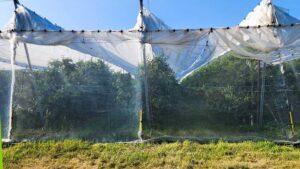
Netting Proves Effective in Putting Cherry Pests in Their Place By Michigan State University Extension|February 24, 2025 Two-year study on high-density cherry plantings shows damage from birds and spotted wing drosophila were reduced under nets.
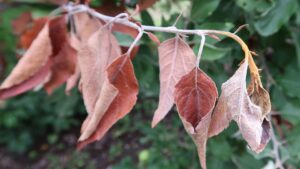
The Right Combination Can Limit Shoot Blight in Tree Fruit By Thomas Skernivitz|February 20, 2025 PGRs Apogee and Actigard, especially in combination, remain the best options to control shoot blight.