Fruits
Novel conference and expo created for specialty crop growers of all types and industry stakeholders alike shines brightly amid the lights of Las Vegas.
It’s important to weigh the pros and cons of mechanical and chemical suckering.
Strategies can help your vines adapt to increasing temperatures.
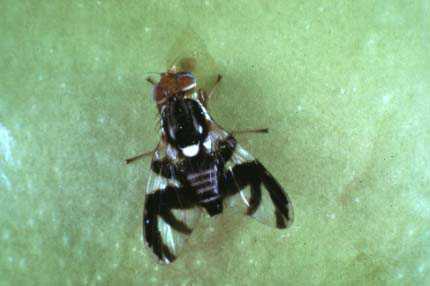
Multiple university researchers teamed to learn whether pruning could make the canopy climate less suitable for SWD in blueberries and raspberries.
Growers from the Sunshine State well represented at annual Produce Marketing Association grand gathering.
Tye Thompson has created a farm-stand model that requires very little of his time. Take a look at how he does it, and see if it’s something that will work for you.
See how CropLife America is using comedy to shed light on the importance of crop protection.
Annual American Farm Bureau survey finds noticeable price reductions in turkey and other classic fixins.
University of Georgia Researchers have found the genetic mechanism that controls the shape of fruits, vegetables, and grains.
Losses from cherry exports alone could top $60 million.
Despite their farms being vastly different, these two GenNext Growers require quickness to compete, which means staying abreast of agricultural technology.
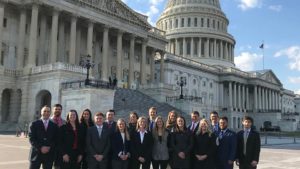
Tagging along with the Young Apple Leaders Class of 2018 taught me how important it is to keep issues affecting the industry at the forefront of our legislators’ minds.
The organophosphate is used to control pests that threaten a variety of crops, including grapes, almonds, oranges, and a variety of vegetables.
The United States-Mexico-Canada Agreement and China dispute will be a drag on fruit and vegetable markets.
Five grower groups send letters to representatives in Washington requesting inclusion of vineyards in disaster assistance funding.
Shifting sands aside, there’s opportunity in having to adjust your farm’s game plan.
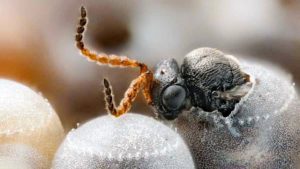
Researchers discover first instance of samurai wasp where population re-establishes on several sites.
Foil sachets from Koppert Biological Systems allow for predatory mite populations to build, survive environmental conditions including outdoor production.

Among the projects funded include the use of photobiology and lighting technologies for suppression of powdery mildew in strawberry production.