The Department of Homeland Security has announced a final rule that streamlines the H-2A filing process for certain temporary agricultural worker petitions.Read More
Bill Brim and Lewis Taylor Farms have become national leaders in labor advocacy, pushing for solutions to sustain fruit and vegetable production in the U.S.
Vineyard manager Gene Sigel waits to see if the severity of the original 2014 spotted lanternfly infestation in southeast Pennsylvania will ever repeat itself.
Portions of San Bernardino and Riverside counties have been placed under quarantine for the Oriental fruit fly following the detection of multiple flies.
Watch Lynn Sosnoskie of Cornell AgriTech explain the science behind weeding at night and why the next experiment will involve a robot cultivator under a new moon.
Applications of supplemental sulphur are routine, but depending on the crop and on soil conditions, it’s not always simple to know how much to put out.
Dean and Betsy Brightly of Brightly Farms share how government grants (even small ones) can help cover costly projects, and why applying is always worth it.




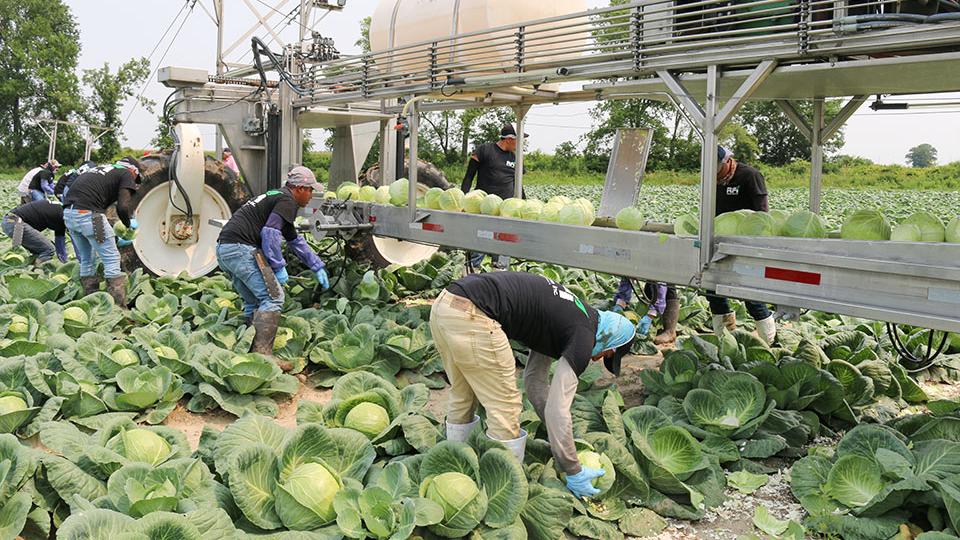
![Surprising Case for Weeding Vegetable Crops at Night [Video]](https://s3.amazonaws.com/files.growingproduce.com/growingproduce/wp-content/uploads/2025/09/Video_Cornell_farming_at_night.Feature-300x169.jpg)



![Finding Hidden Dollars To Help Your Farm Grow [Video]](https://s3.amazonaws.com/files.growingproduce.com/growingproduce/wp-content/uploads/2025/09/Brightly-Farms.00_05_35_23.Feature-300x169.jpg)