Crop Protection
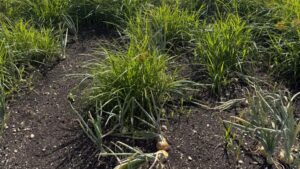
Learn how this new soil applied adjuvant increases control and improves yield.
Ateka insecticide features high-load spirotetramat formulation for faster, deeper plant uptake.
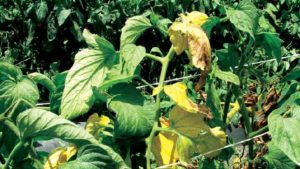
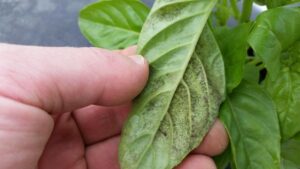
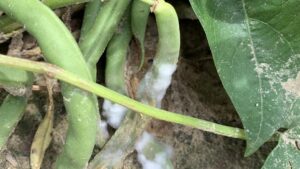
Dealing with extreme weather damages in your vegetable crops? Learn how to tell the difference between weather-related injury and disease symptoms.
Learn how to advance stress tolerance for plants through seaweed-based biostimulants.
Growers should monitor their orchards from April through June, when environmental conditions are most favorable for disease development.
Learn how bin materials impact codling moth populations and discover expert strategies for monitoring and mitigating late-season emergence.
Southeastern peach growers weigh options to combat blossom blight and brown rot.
Lina Quesada-Ocampo, Vegetable pathologist and Extension specialist at North Carolina State University, brings vast experience in pest management research.
The current landscape of biopesticide usage is fruitful as well as the future outlook.
Timing is key in the management of red leaf blotch — California’s latest almond disease threat.
Understanding symptom patterns, diagnostic tools, and cultural practices can help keep soilborne pathogens in check.
Don’t forget to mix your modes of action when using biofungicides.
When it comes to crop protection efficacy using sprayers, accuracy through calibration really pays off.
Researchers share encouraging findings for biocontrol methods to target spotted lanternfly (SLF) populations in the U.S.
Recent research shows how short bouts of flooding and persistent wind affect pepper function, recovery, and yield risk.
Research project aims to monitor fungicide sensitivity in the management of Phytophthora root rot.
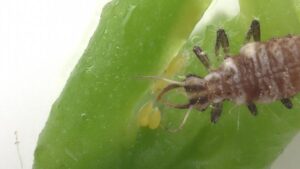
Banker plants create a hungry insect troop eager to protect your indoor cash crop.
Biotalys and 21st.BIO enter into strategic partnership to advance biocontrol production.
UC Davis researchers offer groundbreaking insights into pistachio hull split breakage and more.