Crop Protection
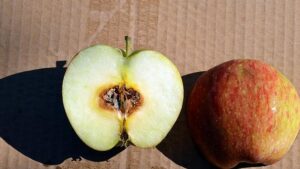
FRAC 3 triflumizole and flutriafol show in-field promise against Alternaria rot in pome fruit.
Learn how Weed Science Society of America experts are working to integrate AI into emerging sustainable weed-control technologies.
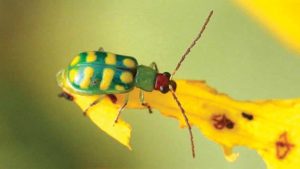
University of Florida researchers have identified two native parasitic wasps, that might help Florida growers combat the two-spot cotton leafhopper.
Emerging ag robotics company announces expansion into new crops, alongside a next-generation weeding robot arriving later this year.
The latest iteration of the National Cover Crop Survey is the 8th in the research series, which began in 2012.
Learn why insect management decision points for vegetable growers might need recalibration.
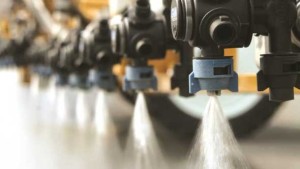
California’s farmers reported making nearly 3.2 million applications of 3,289 different restricted-use products in 2025. Find out what topped the list.
Learn how this new soil applied adjuvant increases control and improves yield.
Ateka insecticide features high-load spirotetramat formulation for faster, deeper plant uptake.
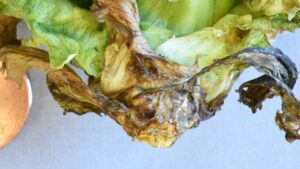
Dealing with extreme weather damages in your vegetable crops? Learn how to tell the difference between weather-related injury and disease symptoms.
Learn how to advance stress tolerance for plants through seaweed-based biostimulants.
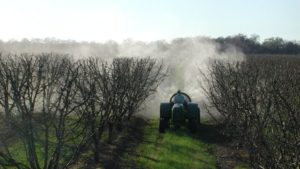
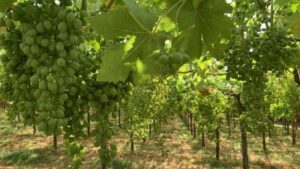
Growers should monitor their orchards from April through June, when environmental conditions are most favorable for disease development.
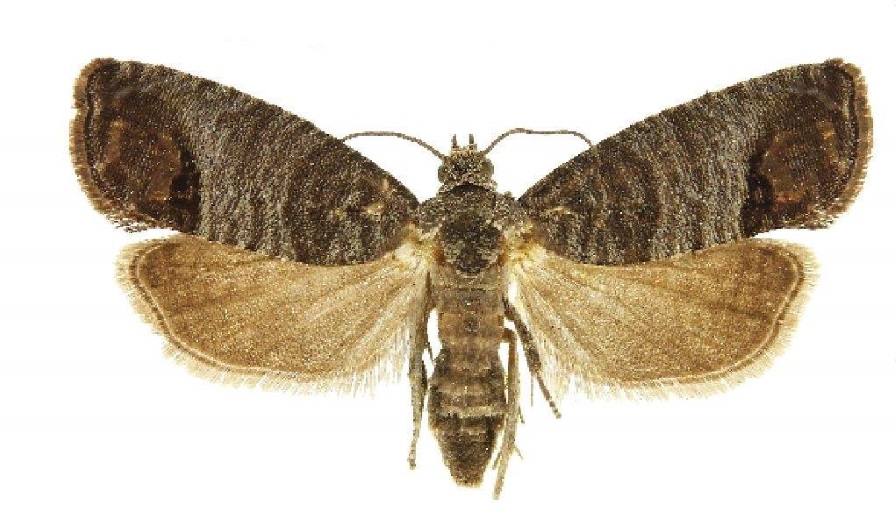
Learn how bin materials impact codling moth populations and discover expert strategies for monitoring and mitigating late-season emergence.
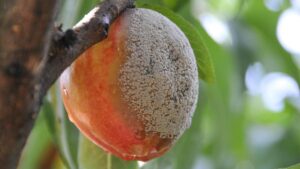
Southeastern peach growers weigh options to combat blossom blight and brown rot.
Lina Quesada-Ocampo, Vegetable pathologist and Extension specialist at North Carolina State University, brings vast experience in pest management research.

The current landscape of biopesticide usage is fruitful as well as the future outlook.
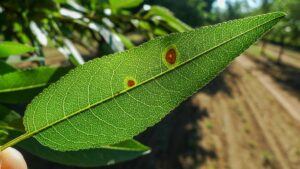
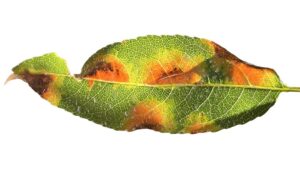
Timing is key in the management of red leaf blotch — California’s latest almond disease threat.
Understanding symptom patterns, diagnostic tools, and cultural practices can help keep soilborne pathogens in check.
Don’t forget to mix your modes of action when using biofungicides.