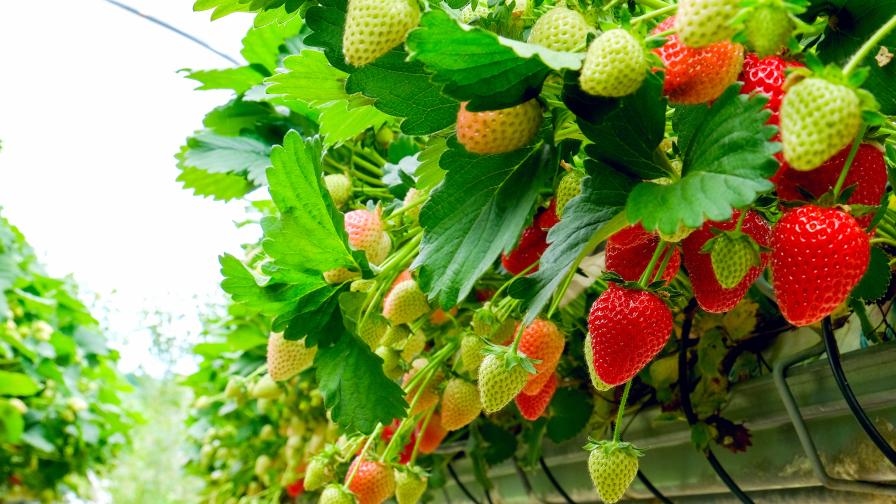
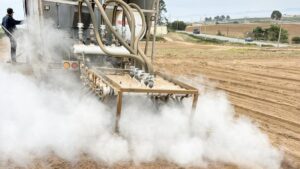
Learn how steam treatment offers crop protection alternative as strawberry growers face fumigant pressure.
Rhizopus leak can destroy volumes of California strawberries during warm weather. Researchers are arming growers with tools that may reduce losses.
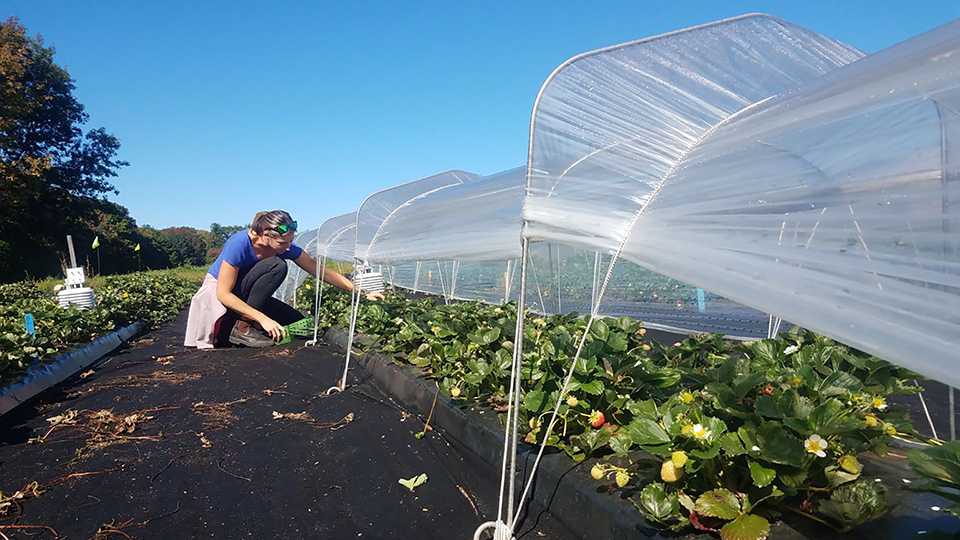
Demand for locally grown fruit is creating opportunities for producers in the Northeast U.S. Cornell researchers are on the case.
If left to their own devices, strawberry runners can ruin slow up a healthy crop. New research aims to find the parts of DNA that control runner growth.
The next wave of CEA berry production will depend on disciplined economics, crop-specific genetics, and systems designed around the plant.
Grower operations like Miles Berry Farm well know, expectations can change in a hurry. Such has been the case this winter in the unusually frigid Southeast.
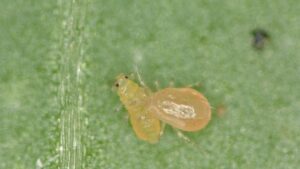
The twospotted spider mite and the chilli thrips are a pain for Florida strawberry growers. Scientists focus on a predatory mite could bring needed relief.

Find out how University of Florida researchers are going all in on helping strawberry growers produce tastier fruit.
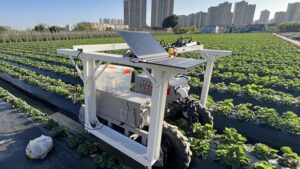
Washington State University-led team develops machine that can pick fruit obscured by leaves.
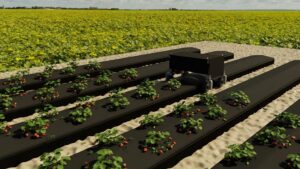
Learn how AI could help strawberry growers find and remove ‘runners,’ reducing labor and saving time in the field.
Many growers of the main commercial types of berries (blueberries, blackberries, raspberries, and strawberries) look to expand plantings in 2025.
Deeper insight about the genetic background of strawberries could lead to future varieties with better pest and disease resistance.
Researchers use digital twin technology and are finding new ways to cut costs and increase efficiency in the field.
Cornell research presentations provide valuable insights on sustainable, integrated pest management solutions for CEA strawberry production.
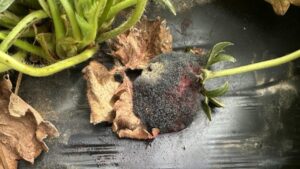
A small degree of Botrytis infection all but guaranteed in New York strawberry fields despite even the best fungicide spray programs.
Learn about what three industry players have planned to improve indoor strawberry production for controlled environment agriculture growers.
A deep commitment to sustainability in its farming practices earns Wish Farms this year’s prestigious Agricultural-Environmental Leadership Award.
Study shows two standout strawberry varieties that better resist chilli thrips than others. Find out which ones.
Currently, there are no commercially available public strawberry varieties resistant to neopestalotiopsis. A new partnership aims to change that.